


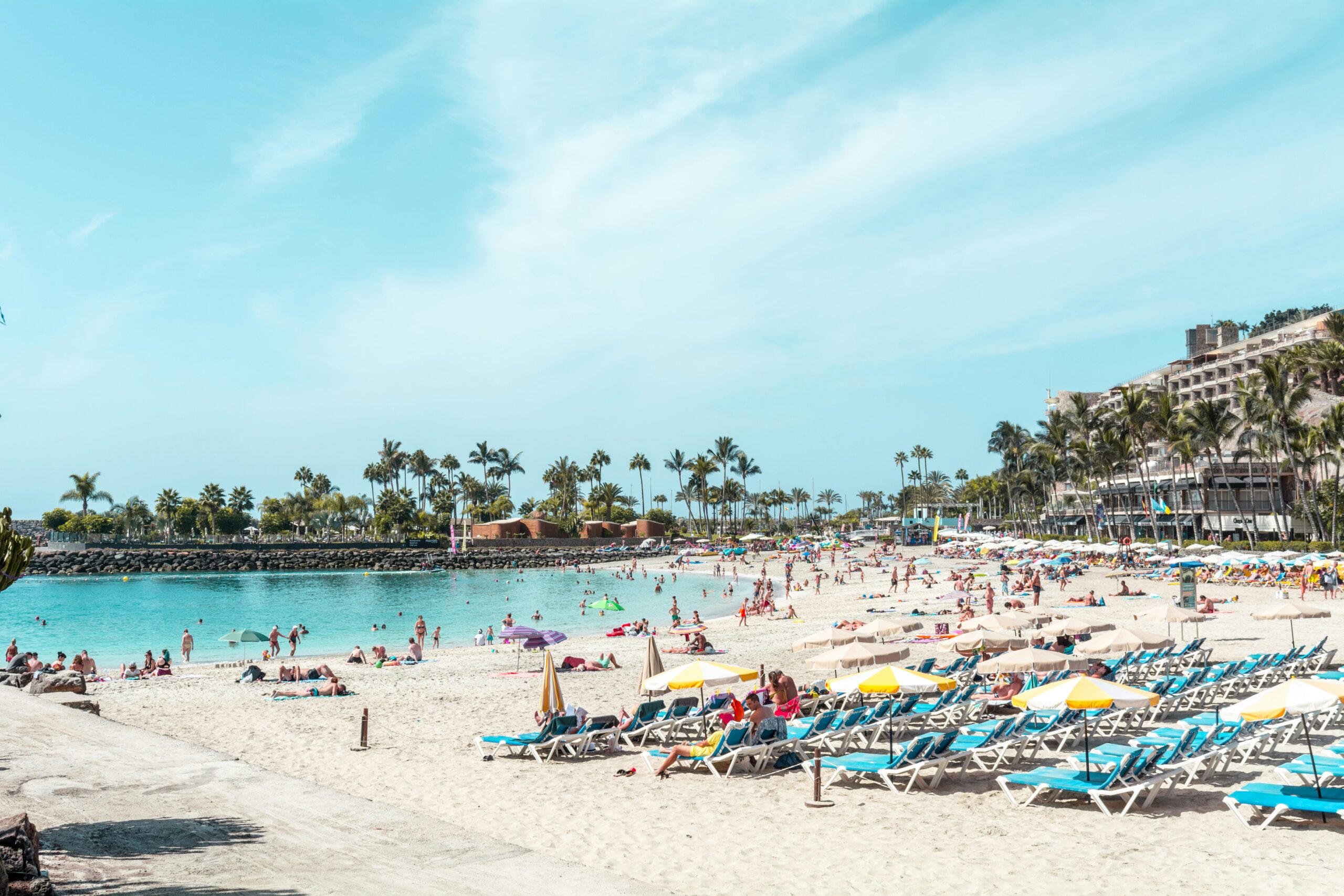
The Canary Islands broke visitor records again despite growing concerns about overtourism.
New August data revealed that the islands continue to attract massive crowds throughout 2025.
Authorities introduced restrictions across the archipelago, yet tourist numbers still climbed sharply.
Officials warned that the islands are becoming increasingly oversaturated as visitors flood every destination.
Record-Breaking Numbers Highlight Tourism Surge
The Canary Islands Tourism Research Centre reported 1.23 million foreign arrivals in August.
That figure marked a 6% increase from August 2024 and became the highest August total ever recorded.
The data also confirmed consistent growth across 2025, with more than 10 million visitors arriving between January and August.
The Canaries ranked as Spain’s third most visited region during that period.
Nearly half a million of August’s tourists came from the United Kingdom, followed closely by German travellers.
Tourism remains vital to the islands’ economy, generating about 35% of total GDP.
Located just 100 kilometres from Africa’s northwest coast, the islands attract visitors year-round for their mild weather.
Their beaches, forests, volcanic peaks, and scenic trails continue to draw travellers from across Europe.
Frequent flights keep the archipelago accessible, though recent Ryanair cancellations may affect future arrivals.
Not all locals welcome the influx, and protests against mass tourism have spread across several islands.
New Rules Aim to Protect Natural Treasures
Officials introduced new eco-friendly policies to limit damage to sensitive environments.
Tenerife National Park, home to the Teide-Pico Viejo volcano, will soon charge visitors an “eco-tax.”
The fee, expected by 2026, will range from €6 to €25 depending on the trail and activity.
An unguided summit hike on the Telesforo Bravo route will cost €15, while guided tours will cost €10.
The Montaña Blanca–Rambleta trail will cost €6 on weekdays and €10 on weekends or holidays.
Residents of Tenerife and children under 14 will enter for free, and Canary Islanders will receive discounts.
Tenerife’s president, Rosa Dávila, said the initiative protects the island’s “crown jewel” for future generations.
Other islands have adopted similar efforts to combat overtourism and safeguard biodiversity.
Gran Canaria’s town of Mogán now charges a €0.15 daily tourist fee, while El Hierro limits accommodation options.
New Spanish regulations also let residents vote to ban new short-term rentals across the islands.
Authorities continue to enforce smoke-free beaches and steep fines for public drinking to discourage excessive partying.
