


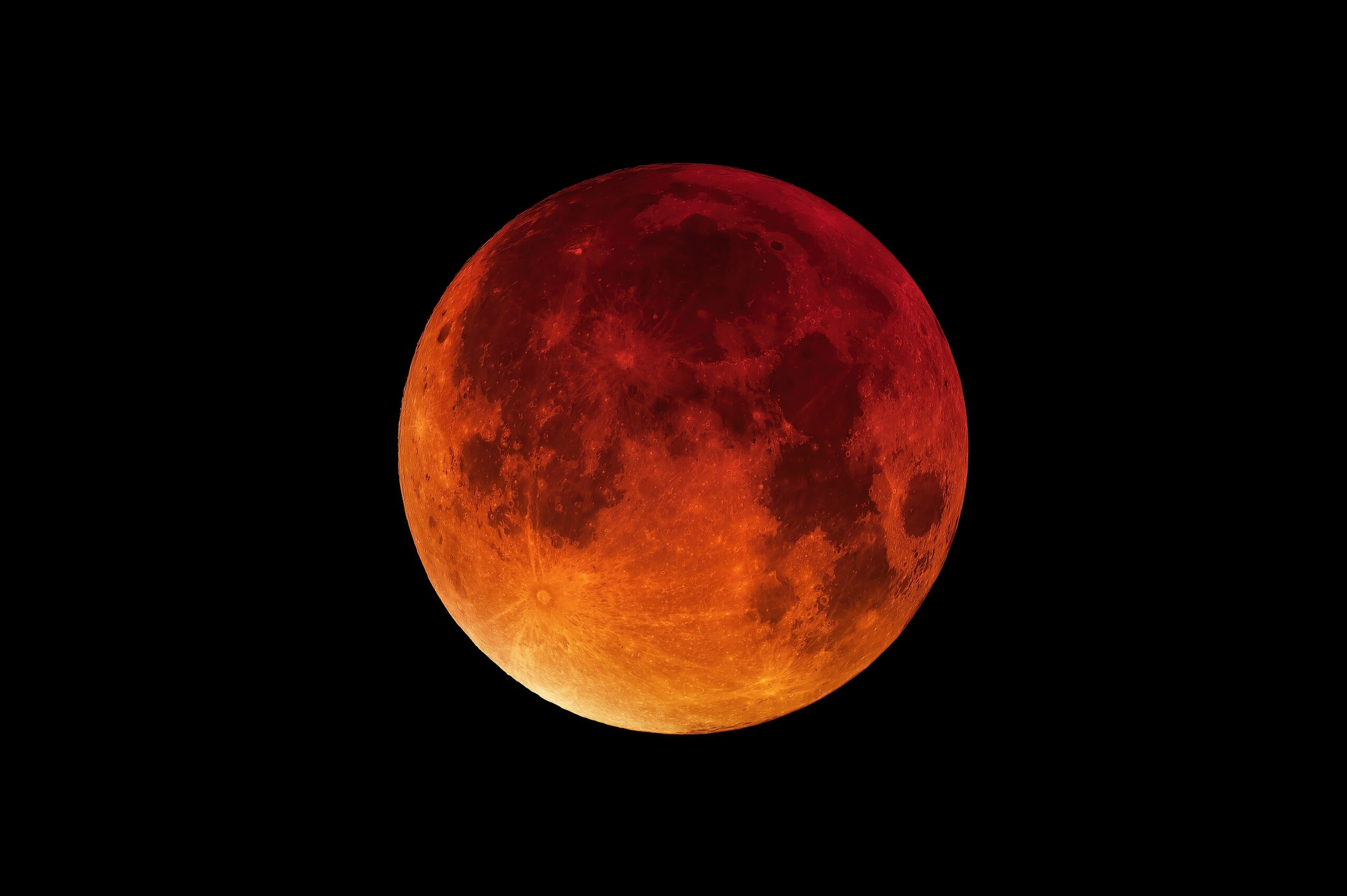
This Sunday, 7 September, Europe will witness a blood-red full moon during a total lunar eclipse, the longest since 2022 at around 82 minutes. The Earth will pass directly between the sun and moon, casting its shadow and allowing only refracted red light to reach the lunar surface—hence the “blood moon” glow.
Historically, blood moons carried weighty symbolism. Across Babylon, China, and Central America, they were often seen as omens of death, war, or divine punishment. In contrast, some African cultures, such as the Batammaliba of Togo and Benin, view the eclipse as a chance for renewal, resolving conflicts, and “reconciling the sun and the moon.”
Today, the debate continues between science and symbolism. Astronomers like Dr. Florian Freistetter see the event as a rare and aesthetically impressive natural phenomenon, devoid of supernatural implications. Astrology, on the other hand, interprets such eclipses as markers of personal turning points, reflecting rhythms, cycles, and archetypes in human life.
While astronomers focus on measurable facts, astrologers approach it as a structured hermeneutic system developed over millennia. Even historical figures, including former French President François Mitterrand, sought astrological guidance for personal and political decisions.
Whether omen or spectacle, the blood moon offers a moment to observe the universe in action. For Europeans gazing skyward, it is both a scientific marvel and a cultural tradition—a reminder of humanity’s enduring fascination with the heavens.
