


Egypt has approved a major new step in its digital transformation plan with a large-scale Egypt Data Center Investment aimed at strengthening cloud services and national infrastructure. The government has granted a license to Hassan Allam Digital Infrastructure and Data Center Solutions to build and operate advanced data centers and cloud computing services.
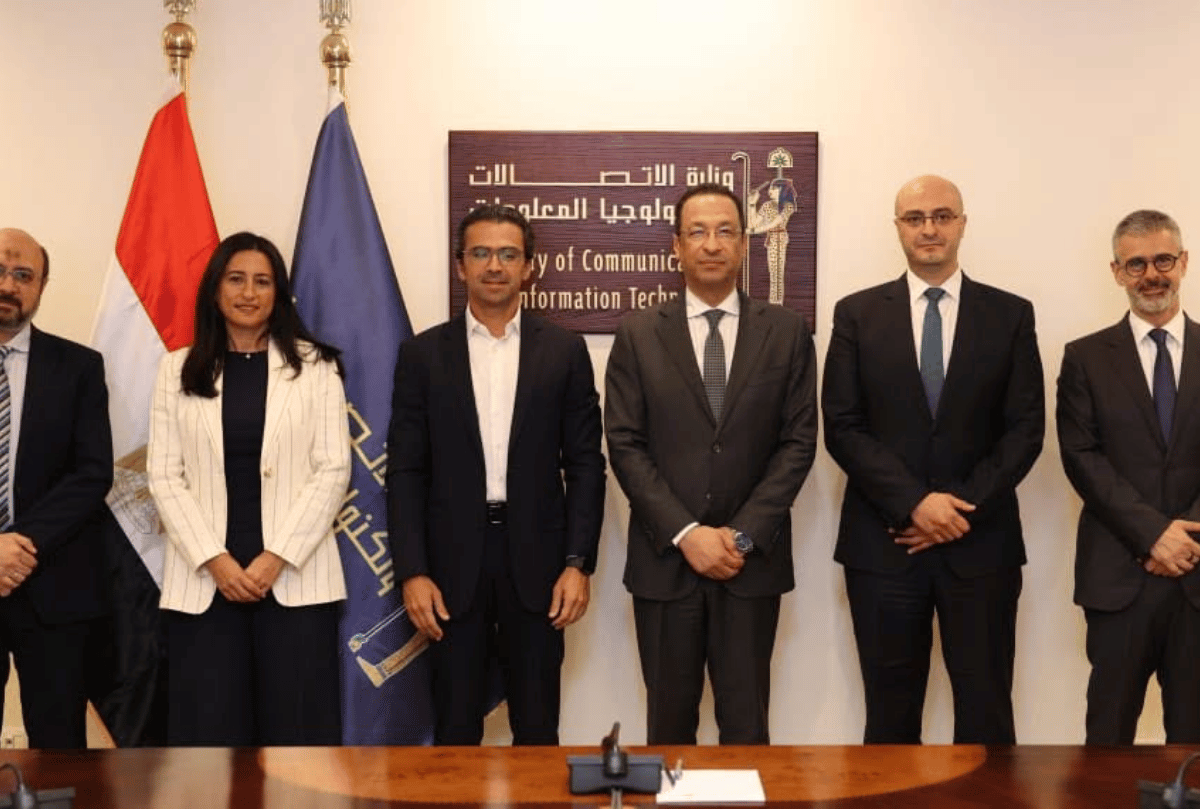
The license was issued by the National Telecommunications Regulatory Authority during a ceremony in Cairo on June 15, 2026. The event was attended by Egypt’s Communications and Information Technology Minister Raafat Hindi, along with senior officials from the technology sector.
The project begins with an estimated investment of 400 million US dollars in its first phase. Officials said the data center will be built to meet global standards and is designed to support both public and private sector needs. It will serve government agencies, financial institutions, and businesses operating inside and outside Egypt.
The new facility is expected to help meet rising demand for cloud computing, secure data storage, and digital services. As more services move online, countries are investing heavily in digital infrastructure to support faster and safer data processing.
Minister Raafat Hindi said the approval reflects Egypt’s long-term plan to expand its digital economy. He explained that data centers are now a key part of national development strategies because they support modern communication, business growth, and government services.
He also said the government is working on a national framework to guide the development of data centers and cloud computing. This plan aims to improve digital independence and reduce reliance on foreign infrastructure. It also seeks to position Egypt as a regional hub for digital services and data exchange.
Officials highlighted Egypt’s geographic location as a major advantage. Sitting between Africa, Europe, and the Middle East, the country is seen as a strong location for global data traffic. Combined with improved infrastructure, this could attract more international technology investment in the coming years.
The National Telecommunications Regulatory Authority said demand for data center licenses has been increasing steadily. According to the regulator, this reflects strong investor confidence in Egypt’s digital transformation plans and technology market growth.
The authority has issued ten data center licenses over the past two years. This shows a clear push by the government to expand digital capacity and support long-term economic modernization.
The company behind the project said it will work in partnership with A15 to develop the new infrastructure. It added that the system will support advanced technologies such as artificial intelligence, cloud computing, and data-driven digital services.
Officials said the project is designed not only to meet current demand but also to prepare for future growth in digital usage. As businesses and governments rely more on online systems, the need for secure and scalable data centers continues to rise.
Experts say data centers are now a key part of global competition in the technology sector. Countries that build strong digital infrastructure can attract international companies, improve service delivery, and support innovation in industries such as finance, healthcare, and communications.
In Egypt’s case, the new investment is seen as part of a wider national strategy to modernize the economy. The government has been focusing on digital transformation, improved internet services, and stronger cybersecurity systems.
Industry observers also note that cloud computing is becoming essential for both public administration and private businesses. It allows faster access to data, reduces costs, and improves efficiency across different sectors.
The announcement adds to Egypt’s growing list of technology investments as it seeks to become a regional digital hub. With more data centers planned and new policies in development, the country is aiming to strengthen its position in the global digital economy.
As the project moves forward, attention will remain on how quickly it is built and how effectively it supports Egypt’s broader digital goals.
