


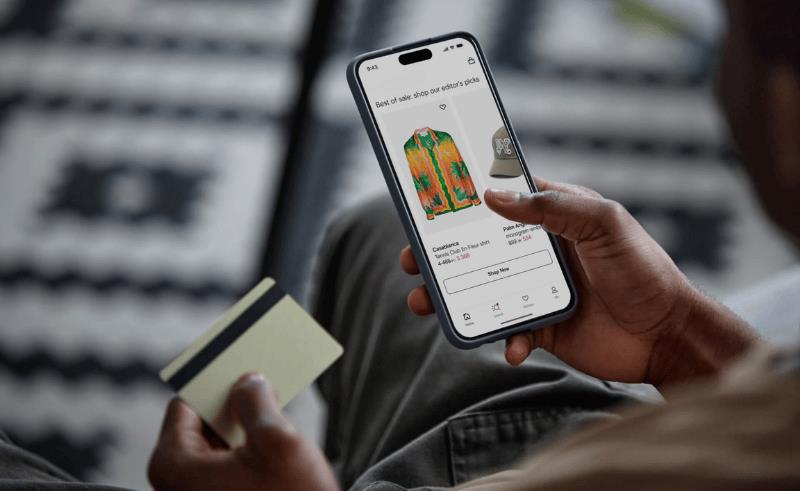
A new study has revealed a major shift in consumer behavior in Egypt, showing that artificial intelligence tools are now widely used in everyday shopping decisions. According to Visa’s 2026 Stay Safe study, 91% of Egyptian consumers use AI tools to support their shopping experience.
The Egypt AI Shopping Survey highlights how quickly digital tools are reshaping consumer habits in one of the region’s fastest-growing online markets. The research was conducted by Wakefield Research between January and February 2026 and surveyed 5,800 adults across 17 markets in Central Europe, the Middle East, and Africa.
Among Egyptian users who rely on AI for shopping, the most common use cases include comparing prices, finding gift ideas, and checking product reviews. Around 75% said they use AI to compare prices, while 65% use it for gift recommendations and product research.
The study also found strong consumer confidence in the benefits of AI for shopping efficiency. About 97% of respondents said AI makes shopping faster and easier, while 71% said it helps them discover new brands and retailers they may not have found otherwise.
Despite this growing reliance on AI tools, trust remains limited when it comes to financial transactions. Only 38% of users said they would trust artificial intelligence to complete payments on their behalf, showing a gap between convenience and financial confidence.
Social media platforms are also playing a growing role in digital commerce. The report found that 85% of respondents have purchased products directly through social media channels, highlighting the rise of social commerce in the region.
Alongside convenience, the study also points to increasing awareness of online security risks. About 88% of respondents believe AI will become an important tool in preventing fraud, while 63% said it is already helping them identify scams more easily.
However, concerns remain high. Around 36% of respondents reported experiencing a financial scam in the past year, with nearly half of those cases linked to social media platforms. This has raised questions about online safety and consumer protection in digital marketplaces.
Responsibility for protecting consumers is seen as shared across multiple institutions. The survey found that 47% of respondents believe regulators and government authorities should take primary responsibility, followed by 43% who pointed to banks and financial institutions, and 28% who mentioned payment providers. Only a small share believed consumers alone should be responsible.
The report also highlights growing concerns about children’s exposure to online scams. About 91% of respondents said children struggle to recognize fraudulent activity online, while 61% reported seeing children become victims of scams during shopping or gaming activities.
In addition, 35% of parents in Egypt said their children already have access to mobile payment apps or digital wallets, raising further concerns about financial safety and digital literacy among younger users.
Experts say the findings reflect both the opportunities and risks of rapid digital adoption in emerging markets. While AI is improving convenience and access to information, it is also creating new challenges in fraud detection and consumer protection.
The study suggests that as AI continues to integrate into shopping and payments, stronger safeguards, education, and regulatory oversight will be needed to ensure safe digital commerce environments.
Overall, the findings show a rapidly evolving retail landscape in Egypt, where AI is becoming a central part of the shopping journey, while trust, security, and regulation remain key concerns moving forward.
