


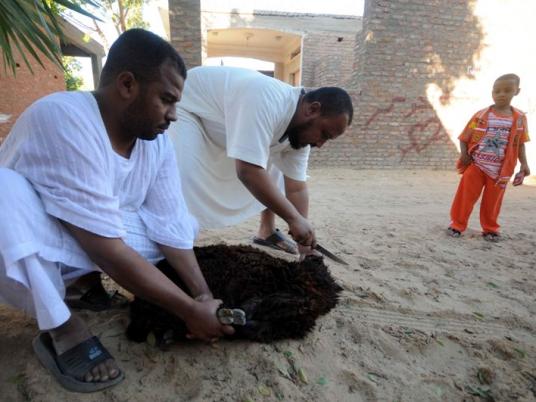
Egypt has announced strict new enforcement measures ahead of Eid al-Adha 2026. Authorities are stepping up inspections and control campaigns across cities and villages. The goal is to stop illegal animal slaughter in public spaces. Officials say the move protects public health, safety, and the environment.
Government bodies have warned citizens not to carry out animal sacrifice in streets or outside private homes. They say such acts break national law and create health risks. Authorities stressed that all ritual slaughter must take place only in approved government abattoirs.
The rules come under Agriculture Law No. 53 of 1966. This law regulates slaughtering practices and meat handling in Egypt. It becomes especially important during Eid al-Adha, when animal sacrifice increases sharply across the country.
Officials said the law is not new, but enforcement will be much stronger this year. Inspection teams will monitor streets, markets, and neighborhoods during the entire holiday period. Local authorities have also been instructed to act quickly against any violations.
Authorities said the main aim is to ensure safe and clean food handling. They also want to prevent pollution caused by blood waste and animal remains in public areas. Officials added that illegal slaughter also increases the risk of disease spread.
Under the law, anyone caught performing illegal slaughter outside approved abattoirs can face prison terms from six months to one year. Offenders may also receive fines between 200 and 500 Egyptian pounds. In some cases, courts may apply either penalty depending on the situation.
Repeat offenders will face even harsher punishment. Their penalties are doubled under the legal framework. This means longer jail time and higher fines for repeated violations.
Authorities also confirmed additional strict actions. Any meat or livestock involved in illegal slaughter will be seized immediately. The confiscated animals and meat will be handed over to the Ministry of Agriculture.
Business owners are also under strict warning. Shops or commercial outlets that violate the rules may be shut down for three months for a first offense. If the violation happens again, the closure can become permanent.
Some violations carry even heavier penalties. Illegal slaughter of pregnant animals is treated as a serious offense. Breaking veterinary health rules for cattle and livestock can lead to prison terms of two to five years, along with additional fines.
Officials said these tougher penalties are meant to protect animal health standards and food safety systems. They also aim to prevent long-term damage to livestock production in the country.
In previous years, local governments have also introduced supportive measures to encourage compliance. In Cairo, authorities allowed citizens to use government abattoirs free of charge during Eid al-Adha. This was done to reduce illegal street slaughtering.
During that period, trained veterinarians were present at all official slaughterhouses. Cleaning teams worked continuously to maintain hygiene. Emergency response units were also deployed in neighborhoods to stop illegal slaughter and manage waste issues.
Authorities said similar arrangements are expected for Eid al-Adha 2026. Municipal services will remain on high alert throughout the festival period. Inspection teams will monitor compliance and respond immediately to any violations.
Officials emphasized that the combination of strict enforcement and public services aims to ensure a safe and clean Eid celebration. They urged citizens to follow the rules and use official slaughter facilities only.
The government said protecting public health and maintaining environmental cleanliness remains a top priority during the festive season.
