


Ice-Free Routes Come at a High Cost
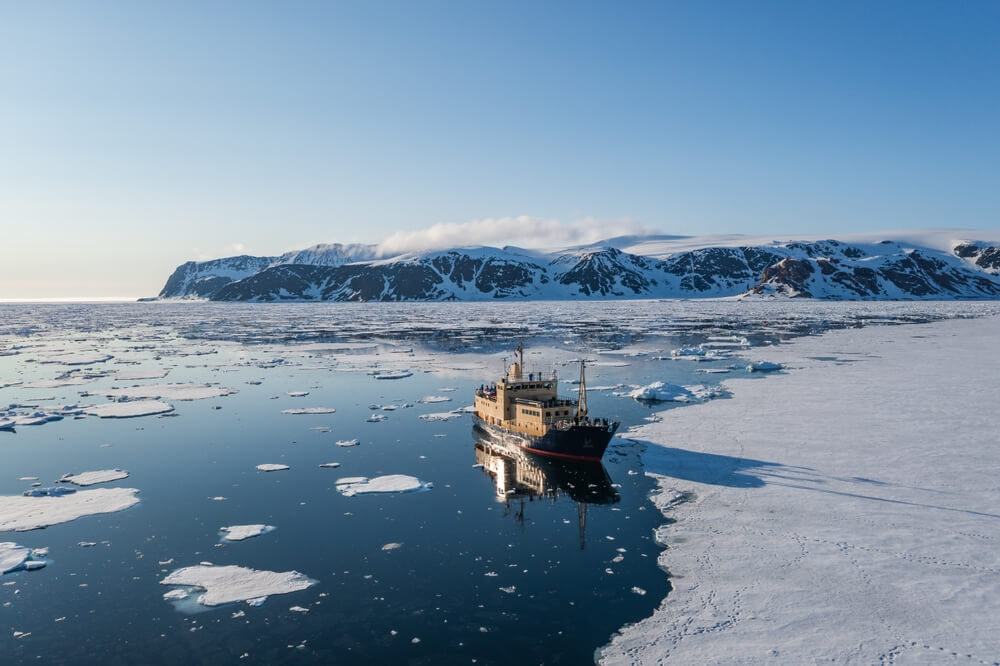
As global temperatures rise, Arctic sea ice is melting faster than ever, opening waterways that were previously frozen year-round. This has led to a surge in cargo ships, fishing vessels, and even cruise liners navigating the region. But the environmental cost is steep: soot, or black carbon, from ship engines darkens ice and snow, causing it to absorb more heat from the sun and accelerating melting. “It ends up in a never-ending cycle of increased warming,” says Sian Prior, lead adviser for the Clean Arctic Alliance. The effects ripple far beyond the Arctic, influencing weather patterns around the globe.
International Efforts to Clean Up Shipping
Several countries are pushing for stronger rules to cut black carbon emissions. France, Germany, Denmark, and the Solomon Islands have proposed that all ships north of the 60th parallel use “polar fuels,” lighter alternatives that produce far less soot than traditional heavy fuels. The proposal is being discussed at the International Maritime Organization, but progress is slow. A 2024 ban on heavy fuel oil has only modestly reduced emissions due to loopholes, and enforcement remains inconsistent. Environmental groups argue that stricter fuel standards are the only realistic way to curb black carbon, since reducing the number of ships in the Arctic is unlikely given the economic incentives of shorter trade routes and resource extraction.
Politics and Profit Clash with Climate Goals
Efforts to address Arctic pollution are complicated by geopolitics and local industries. For example, Iceland, a leader in renewable energy and carbon capture, has made little progress regulating shipping emissions because of the influence of its powerful fishing industry. Companies resist the extra costs of cleaner fuels or electrifying fleets, while international political tensions, such as disputes over Greenland, have pushed climate concerns down the agenda. Meanwhile, Arctic shipping continues to grow: between 2013 and 2023, the number of ships north of the 60th parallel rose 37%, and the total distance traveled increased 111%. Without urgent action, the Arctic’s black carbon problem—and its contribution to global warming—will only worsen.
