


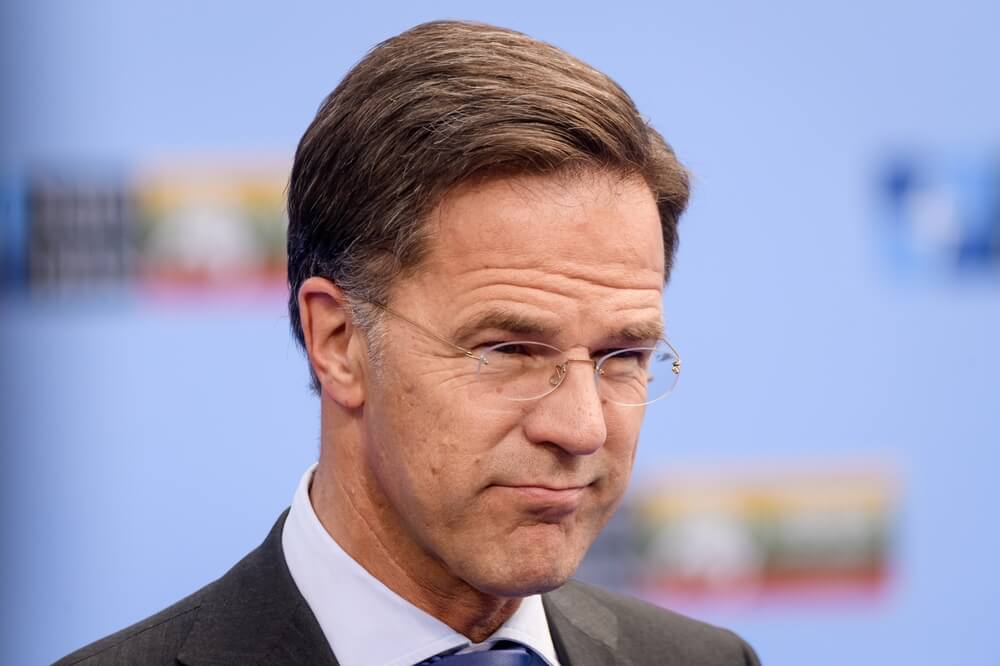
A proposed security arrangement for Greenland, negotiated by NATO Secretary General Mark Rutte, will need to be put before all NATO allies before it can move forward, according to Spain’s foreign minister speaking to Euronews.
José Manuel Albares said the discussions revealed so far amount to a bilateral exchange between Rutte and US President Donald Trump, not a decision taken by the alliance as a whole. “This is not NATO,” Albares said, stressing that any such framework must ultimately be debated by the NATO Council (Euronews).
Limited details and growing unease
Albares said allies have not been briefed beyond Trump’s public announcement earlier this week, which suggested Washington would be allowed to expand its military footprint in Greenland, including more US bases, after weeks of rising tensions.
“I’ve spoken to the foreign ministers of allied countries and they know no more than I do,” Albares told Euronews, adding that whatever has been discussed will have to be formally presented to NATO members.
The announcement followed earlier threats by Trump to impose tariffs on several European countries, including Denmark, unless a deal was reached over Greenland, which he has repeatedly described as strategically vital for countering China and Russia in the Arctic.
Sovereignty lines Denmark won’t cross
Spain’s foreign minister was clear that Greenland’s future can only be decided by Greenlanders and Denmark, pointing out that public opinion on the island strongly favours remaining part of the Danish kingdom.
Danish authorities have repeatedly rejected any suggestion of selling the territory and insisted that Greenland’s sovereignty is non-negotiable. Following Trump’s comments, Copenhagen also made clear that sovereignty was not part of any agreement discussed with NATO leadership (Euronews).
Calls for stronger European defence
Albares criticised Washington’s approach, saying the EU would not negotiate “under coercion” and warning that Europe has its own tools to respond if needed. He argued the situation underlined the need for Europe to strengthen its collective security.
“If we want to remain a continent of peace, we need deterrence in our own hands,” Albares said, calling for deeper integration of European defence industries and, ultimately, movement toward a European army (Euronews).
According to Albares, only a united and credible European security framework can prevent future attempts at political or economic pressure, whether through military threats or trade measures.
