


EU leaders close ranks amid trade threats
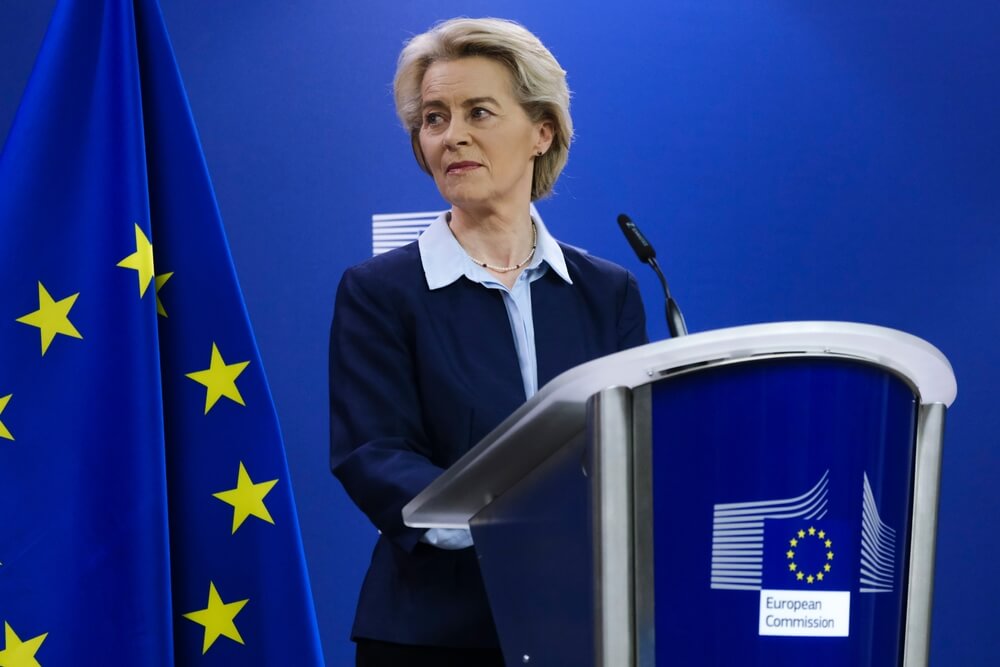
European leaders have pledged to stand shoulder to shoulder after US President Donald Trump threatened a new wave of tariffs unless Denmark agrees to sell Greenland. The warning has rattled capitals across Europe, raising fears of a fresh trade war and a serious rupture in transatlantic relations. Leaders including European Commission President Ursula von der Leyen, French President Emmanuel Macron and German Chancellor Friedrich Merz stressed that Europe would respond in a united and coordinated way to defend its sovereignty.
Trump announced that goods from Denmark, Sweden, Norway, France, Germany, the Netherlands, Finland and the UK would face an additional 10% tariff from February 1, with the possibility of rising to 25% by June. The measures, he said, would remain in place until a deal was reached for the “complete and total purchase of Greenland,” a semi-autonomous Danish territory.
Greenland dispute fuels diplomatic tensions
The standoff follows a joint European mission to Greenland, aimed at strengthening Arctic security, which appears to have angered the White House. The Trump administration has repeatedly argued that Greenland should come under US control for national security reasons, dismissing claims that Denmark and its European partners can safeguard the region on their own.
Danish officials have pushed back strongly, rejecting suggestions that Russian and Chinese vessels freely operate around the island. Copenhagen has expressed surprise at Washington’s reaction, saying the European presence aligns with US calls for greater Arctic security rather than undermining it.
Calls grow for Europe to hit back
The tariff threat has intensified debate in Brussels over whether the EU should deploy its toughest trade weapon: the anti-coercion instrument. Introduced in 2023, the mechanism allows the bloc to retaliate against economic pressure by restricting market access, limiting trade licences and excluding foreign companies from public contracts.
Senior lawmakers argue the line has now been crossed. Some have urged the suspension of recent tariff concessions granted to the US, while others want the EU to freeze its trade deal with Washington entirely. As rhetoric hardens on both sides, Europe is weighing whether restraint or retaliation is the best way to respond to what many see as unacceptable political pressure.
