


Washington signals readiness to escalate
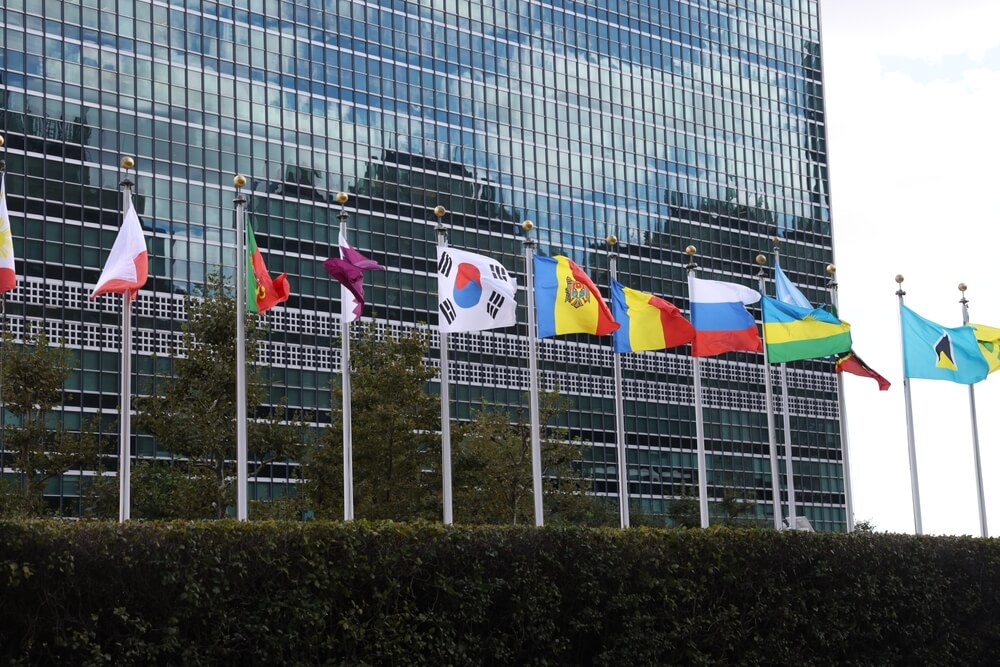
The United States has warned that it is prepared to consider military action if Iranian authorities continue using lethal force against protesters, US officials told an emergency session of the UN Security Council on Thursday. Speaking before the council, US Ambassador Mike Waltz said President Donald Trump remains open to all options in response to the ongoing violence linked to nationwide demonstrations in Iran.
Waltz stressed that Trump would not hesitate to act, describing him as “a man of action” and warning Iran’s leadership that continued bloodshed could trigger a strong response. While the threat of retaliation loomed, Trump later suggested the situation might be easing, noting signs that the killing could be slowing.
Iran pushes back at the UN
Iran’s deputy ambassador to the United Nations, Hossein Darzi, rejected Washington’s claims and accused the US of deliberately fuelling unrest inside Iran. He said the United States was using human rights concerns as a cover to justify political destabilisation and potential military intervention, describing the narrative as misleading and dangerous.
The exchange highlighted the sharp divide between the two countries, as diplomats clashed over responsibility for the violence and the international response to the crisis.
Protests fade under heavy crackdown
On the ground in Iran, signs suggest the protests are being heavily suppressed. Videos of demonstrations have largely stopped emerging, and a government-imposed communications blackout remains in place. Witnesses in Tehran reported quiet streets in recent days, with no fresh debris, bonfires, or the gunfire that had echoed through the city earlier in the unrest.
According to the US-based Human Rights Activists News Agency, at least 2,677 people have been killed since the protests began, making it the deadliest wave of anti-government demonstrations since the 1979 Islamic Revolution. Sources inside Iran fear the true number may be far higher, possibly reaching 15,000 deaths over the past three weeks.
As pressure mounts, Washington announced new sanctions targeting Iranian officials accused of directing the crackdown, including a senior national security figure alleged to have called for violence early on. The G7 and the European Union are also weighing additional sanctions, with European Commission President Ursula von der Leyen saying the EU is seeking stronger measures to force political change in Tehran.
