


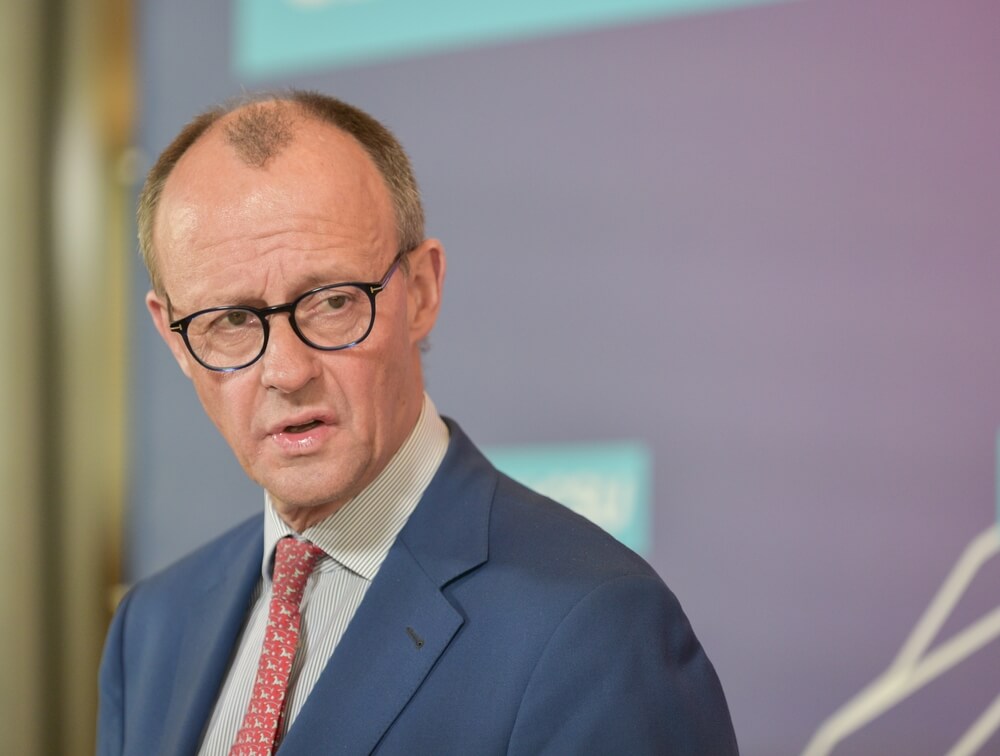
Germany’s chancellor is throwing his weight behind a new free trade agreement with India, signalling that the European Union could seal a long-awaited deal by the end of this month. The push comes just days after EU countries approved the controversial Mercosur agreement — a pact that has already sparked political backlash across the bloc.
Merz Signals Fast-Track Deal With India
Speaking during a visit to India, German Chancellor Friedrich Merz said European Commission President Ursula von der Leyen and European Council President Antonio Costa could travel to New Delhi before the end of the month to formally sign an EU-India free trade agreement.
Merz framed the deal as a necessary response to a global shift toward protectionist policies. He warned that rising trade nationalism — particularly from the United States and China — threatens open markets and free trade principles. Calling India the fastest-growing G20 economy, he described the country as a key strategic partner in the Indo-Pacific region.
Plans for an EU-India summit had been discussed in Brussels earlier this year after negotiations intensified in late 2025. Although previous hopes of finalising the agreement by last year fell short, Merz now believes talks have entered their final stage.
Tough Negotiations and Trade Tensions
Recent high-level discussions between Indian Commerce Minister Piyush Goyal and EU trade chief Maroš Šefčovič have kept momentum alive, despite difficult negotiations. Key sticking points remain around environmental standards, particularly the EU’s proposed dispute mechanisms tied to green regulations and its Carbon Border Adjustment Mechanism — policies India has strongly resisted.
Both the EU and India also face growing trade friction with the US, which has raised tariffs on partners, and with China, which has increasingly leveraged control over raw materials and technology. These pressures have made diversifying trade partnerships a strategic priority for Brussels.
Merz said finalising the India agreement would send a powerful signal that the EU remains committed to building global trade alliances despite rising protectionism.
Mercosur Backlash Fuels Political Unrest in France
Germany’s enthusiasm for expanding EU trade comes as the bloc faces internal division. The Mercosur agreement with South American nations — approved by a majority of EU member states last week — has triggered fierce opposition in France, where farmers fear being undercut by cheaper Latin American imports.
French President Emmanuel Macron now faces mounting political pressure, with far-right and far-left parties calling for a vote of no confidence in his government. Meanwhile, von der Leyen is expected to travel to Paraguay on 17 January to sign the Mercosur pact, further inflaming tensions in Paris.
As Germany pushes forward with ambitious trade plans, the EU finds itself balancing global economic strategy with growing domestic political unrest — a test that could shape the bloc’s future direction.
