


Across the United States, cultural organizations are expanding their influence in communities. Nonprofits and local groups focused on storytelling, arts, and cultural projects are gaining attention for promoting well-being, diversity, and public dialogue.
Arts and storytelling projects are central to this growth. Programs encourage people to share experiences, express creativity, and connect with others. Community storytelling projects help residents reflect on local history, personal experiences, and shared values.
Experts say these initiatives improve mental health and social cohesion. Participation in arts programs reduces stress, increases self-confidence, and strengthens social bonds. People involved report feeling more connected to their communities and more engaged in civic life.
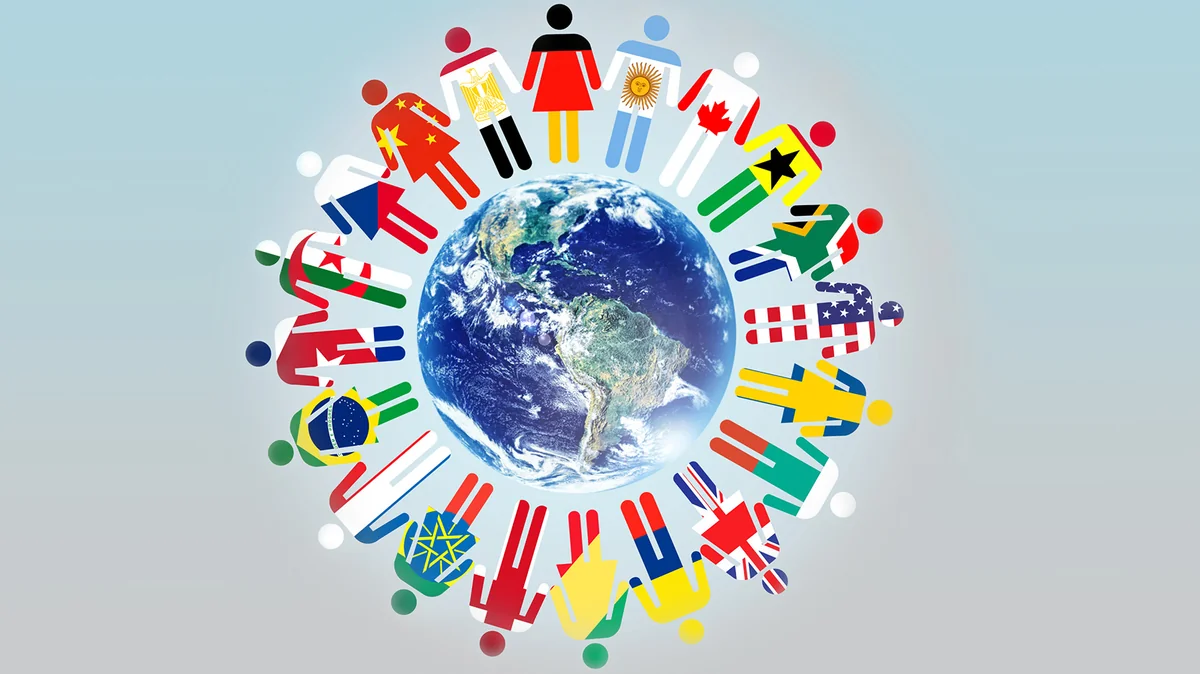
Diversity and inclusion are also priorities. Cultural organizations highlight voices from varied backgrounds, ensuring representation of different communities. By celebrating diverse perspectives, these programs foster understanding and cultural dialogue.
Local communities are responding positively. Events such as workshops, exhibitions, and performances are drawing larger audiences. Neighborhoods report stronger community ties and increased participation in volunteer and civic activities.
Storytelling projects allow individuals to reflect and share their personal narratives. Many participants find empowerment through expressing their experiences. This practice builds empathy among community members and creates shared understanding.
Arts programs often target youth and underserved populations. Offering free or low-cost access ensures inclusivity. Youth participants gain confidence, develop new skills, and build social connections through creative activities.
Nonprofits also focus on cross-community collaboration. Partnering with schools, libraries, and local businesses, these organizations extend their reach and impact. Collaboration helps make programs sustainable and accessible to more residents.
Cultural dialogue is another key benefit. By hosting discussions, panels, and interactive exhibits, organizations encourage conversations on social issues. Residents learn to engage respectfully and creatively, strengthening community relationships.
Digital platforms have further amplified impact. Many organizations now share virtual exhibits, online workshops, and social media storytelling. This allows communities from different regions to access programs, increasing visibility and engagement.
Volunteers and local leaders play an important role. They help organize events, mentor participants, and maintain programs. Strong community involvement ensures the programs reflect local needs and values.
Research shows that engagement with arts and culture leads to long-term benefits. Individuals involved demonstrate higher levels of civic participation, stronger empathy, and improved emotional well-being.
Cultural organizations also focus on sustainability and accessibility. Outdoor projects, public installations, and mobile programs ensure that activities reach diverse neighborhoods. Inclusivity remains a core mission.
Funding and public support remain crucial. Grants, donations, and government initiatives help expand programs. Many organizations leverage community partnerships to maintain long-term programming.
By promoting well-being, creativity, and dialogue, cultural organizations are shaping healthier, more connected communities. Their efforts demonstrate that arts and storytelling are not just forms of entertainment—they are essential tools for social cohesion.
Experts say that as these programs grow, they set a model for civic engagement nationwide. Shared cultural experiences foster trust, empathy, and resilience, helping communities thrive.
Cultural organizations expanding their impact show that local initiatives can create meaningful change. Through storytelling, arts, and inclusive programs, these groups continue to enrich communities and strengthen the social fabric across cities.
