


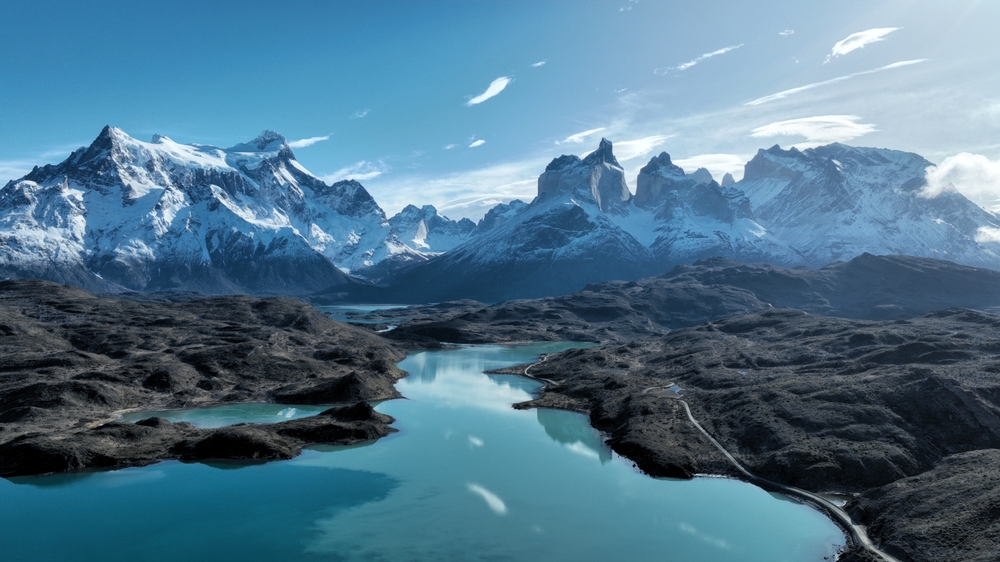
Tourists entered the O Circuit without ranger guidance as weather reports failed to show the coming storm. Torres del Paine National Park in Patagonia receives up to 300,000 visitors yearly, and many attempt its legendary treks. On 17 November, a sudden blizzard struck the O Circuit, killing five hikers and trapping many others in zero visibility for hours. Although the storm caused the disaster, the event exposed ongoing concerns about park safety and long-criticised management problems in Patagonia’s protected areas.
How the Storm Overwhelmed the Trekkers
A group of roughly 30 international hikers left the Los Perros campsite before dawn, planning to cross John Garner Pass. Light rain and moderate winds began the day, conditions common in the region. As the hikers climbed, the weather shifted dramatically. By late morning, visibility had shrunk to metres, and winds surged far beyond predictions, creating whiteout conditions that disoriented many.
The O Circuit, a demanding 130 to 140 km loop around the massif, rises above the treeline at John Garner Pass. Shortly after 10 am, the group battled horizontal snow, violent gusts and a complete loss of visibility. Some hikers turned back while others pushed upward, unaware of the storm’s rapid intensification. With heavy snow, bitter cold and no shelter, several hikers became stranded. Five died on the exposed upper pass: Mexican couple Cristina Calvillo Tovar and Julian Garcia Pimentel, German couple Nadine Lichey and Andreas von Pein, and British hiker Victoria Bond. Survivors later found them near the top of the route, where descent had become impossible.
Mounting Criticism of Park Oversight
Survivors stated that they received no clear warnings about dangerous conditions on John Garner Pass. Camp workers reportedly described the forecast as normal, noting only moderate winds. Despite signs of deterioration, the park kept the route open. Many trekkers also criticised the delayed emergency response. With no officials nearby, stranded hikers coordinated the first rescue attempts themselves. Because no trained staff guarded that remote section, unprepared visitors had to assist each other in the storm.
CONAF, Chile’s National Forestry Corporation, controls the park, manages access and issues safety alerts. Official guidelines instruct visitors to follow ranger advice and check in for updated trail information. In this case, those safeguards broke down completely.
Staffing Gaps and Systemic Weaknesses
During high season, rangers should monitor weather, assess trails and inform hikers of hazards. Survivor reports, however, say no rangers were positioned near John Garner Pass when the blizzard hit. Their absence left visitors assuming the trail remained safe. Many rangers were reportedly off duty to vote in the 2025 Chilean presidential election on 16 November, cutting staff numbers by roughly half. CONAF later confirmed the lack of personnel in the critical Los Perros–John Garner sector that day. Public reports noted only about 51 park employees present throughout the entire park during the storm.
This shortage reflects a broader pattern. Chile’s park system has suffered persistent staffing problems, with only about 450 highly trained rangers overseeing 13.2 million hectares in 2025. A 2018 Lincoln Institute report highlighted that many protected areas in Patagonia operate with tiny teams, sometimes fewer than five people. In June 2025, thousands of CONAF workers went on strike over administrative issues and inadequate resources. Across the border in Argentina, local sources reported mass resignations of rangers due to conflicts with the updated national park administration under President Javier Milei.
