


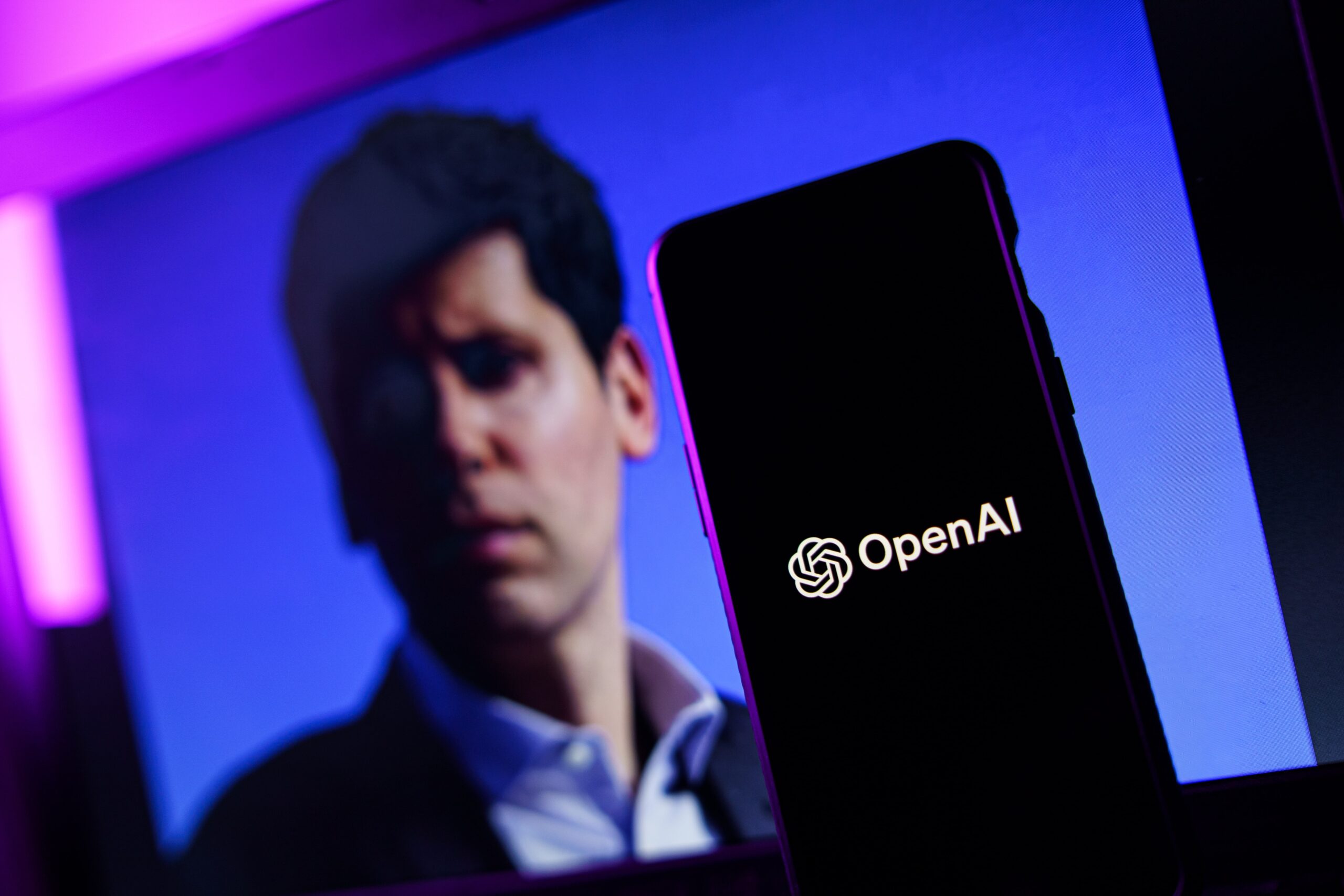
OpenAI has completed its transition into a for-profit company. The move aims to attract billions in investment and could pave the way for a future stock market debut.
Microsoft strengthens its stake in OpenAI
As part of the restructuring, OpenAI and Microsoft have renewed their partnership. Microsoft now holds a 27% stake in the ChatGPT developer. This marks a new phase in a collaboration that began in 2019, when OpenAI was still a non-profit AI research organization.
Under the updated deal, Microsoft can pursue artificial general intelligence (AGI) independently or with other partners. AGI refers to intelligence that surpasses human capabilities. OpenAI said it will create an expert panel to verify any claim that it has achieved AGI.
When asked for details, the company declined to reveal the panel members.
Altman remains CEO without equity
Microsoft will continue to advise OpenAI’s board during the company’s shift to a profit-driven model. The firm confirmed that CEO Sam Altman will not hold any equity stake, a detail first reported by Bloomberg.
When the partnership began, Microsoft gained access to much of OpenAI’s technology in exchange for cloud computing resources. Since then, OpenAI has expanded its network of partnerships with major tech firms, sparking debate about a possible AI bubble.
The revised agreement gives Microsoft rights to OpenAI’s AI models until 2032 but excludes consumer hardware.
Following the announcement, Microsoft’s market capitalization surpassed $4 trillion for the second time. It first reached that milestone in July, joining Nvidia as one of only two public firms to achieve it.
OpenAI’s rapid growth and influence
OpenAI became a global sensation in 2022 with the launch of ChatGPT, bringing artificial intelligence to millions of users worldwide.
At OpenAI’s DevDay event in San Francisco this month, Sam Altman revealed that ChatGPT now has 800 million weekly active users. Valued at $500 billion, OpenAI continues to release new products to maintain engagement and strengthen its presence in the AI market.
Recent offerings include ChatGPT Atlas, an AI-powered browser that competes with Google Chrome, and Sora, a video generation tool capable of producing realistic footage from text prompts.
Controversy follows OpenAI’s rise
Despite its success, OpenAI faces criticism. Last week, the company blocked Sora 2 from generating deepfake videos of Dr. Martin Luther King Jr. after his family intervened.
It also announced that verified adult users would soon gain access to erotica through ChatGPT, sparking public debate.
Critics say OpenAI underestimates the mental health risks linked to its technology. They claim the company prioritizes profit over responsibility and has implemented too few safeguards.
Even so, OpenAI’s shift to a for-profit model marks a defining moment in artificial intelligence. The company now stands as a central force shaping innovation, ethics, and competition in the global technology sector.
