


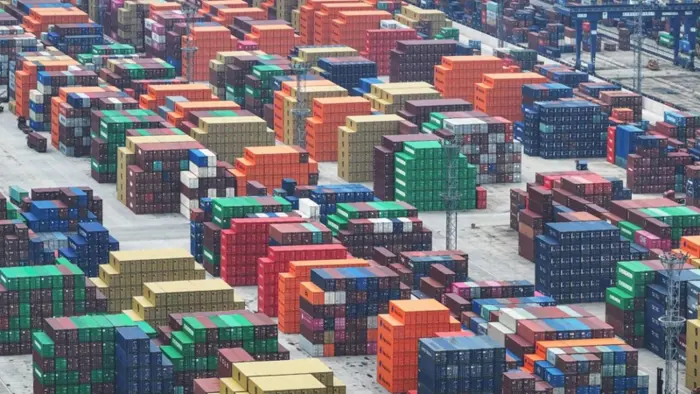
China’s exports have exceeded expectations, signaling strong resilience in global trade despite ongoing tensions with key trading partners. Analysts say this performance reflects the country’s robust manufacturing sector and strategic trade policies.
Recent data show that China’s shipments of electronics, machinery, and consumer goods have grown faster than anticipated. Exporters have adapted to shifting global demand, maintaining steady production and delivery schedules.
Industry experts note that China’s logistics networks and supply chain management have helped sustain trade flows even during periods of uncertainty. Ports, transportation systems, and customs processes have all contributed to smoother export operations.
Domestic policies also play a crucial role. Supportive measures for manufacturers, including tax incentives, export subsidies, and financial assistance, have enabled companies to remain competitive on the international stage.
Trade with Europe, Southeast Asia, and North America has been particularly strong. Despite tariffs and restrictions in some markets, Chinese exporters have found alternative buyers and diversified their customer base, reducing the impact of trade tensions.
Consumer demand worldwide has contributed to this growth. High demand for electronics, household appliances, and medical supplies has boosted shipments and strengthened China’s position as a global supplier.
Economic analysts emphasize that the country’s ability to balance production capacity with market needs has been critical. This flexibility allows China to respond quickly to changes in international trade and maintain consistent growth.
Foreign investors are also encouraged by China’s export performance. Rising export volumes signal stable industrial output and business opportunities, attracting investment into manufacturing, technology, and logistics sectors.
China’s focus on technological advancement and innovation has further supported export growth. Investments in automation, smart factories, and research development have enhanced productivity and quality, making Chinese products more competitive internationally.
Despite global uncertainties such as fluctuating commodity prices and geopolitical tensions, China’s export sector has demonstrated resilience. Experts predict that steady global demand and strong domestic policies will continue to support growth in the coming months.
Financial markets have reacted positively to these developments. Increased confidence in China’s trade outlook has helped stabilize currency movements and improve investor sentiment.
This performance highlights the strategic importance of diversification and adaptability in international trade. China’s ability to navigate challenges while sustaining strong exports provides an example for other nations facing global market pressures.
In summary, China’s export growth surpasses expectations due to effective domestic policies, strong manufacturing capacity, and resilient global demand. Continued innovation and market diversification position China for sustained trade success.
