


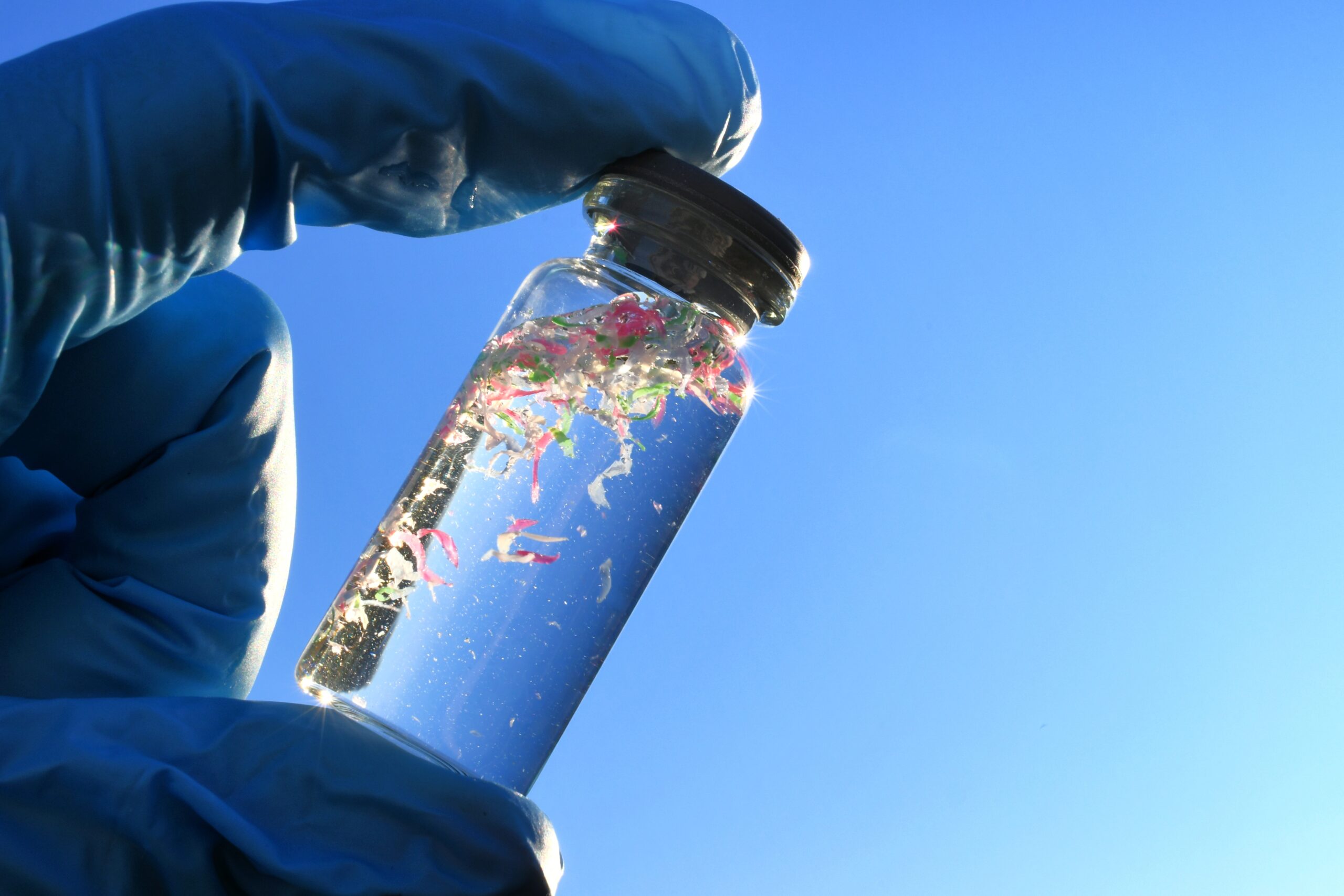
Microplastics are everywhere – in our blood, guts, lungs and even brains. Scientists estimate the average person may carry about 5g inside them.
Researchers at the University of Graz found microplastics can alter gut bacteria and chemical balance, showing patterns linked to depression and cancer. “Reducing exposure is a wise precaution,” said Dr Christian Pacher-Deutsch.
These particles come from packaging, clothes, cosmetics and tyres. They’re tiny enough to enter our cells. “We’re finding them in nearly every tissue,” said Dr Jaime Ross, whose mouse studies linked microplastics to brain changes seen in dementia.
Human research has also found plastic in arteries and brain tissue, though experts warn results are early and unclear. “We don’t yet know what levels are harmful,” said Prof Stephanie Wright of Imperial College London.
Scientists say the best approach is caution: avoid heating food in plastic, use glass or metal containers, wear natural fabrics, and check cosmetics for plastic ingredients.
We can’t fully escape microplastics, but reducing exposure may help protect both our health and the planet.
