


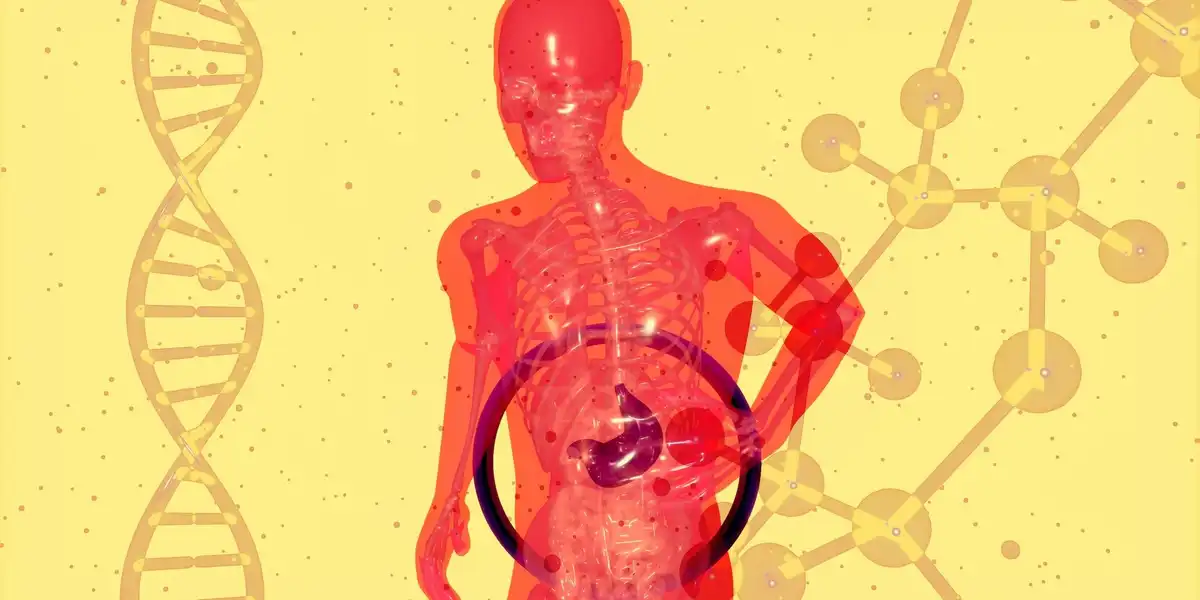
A recent study has found that microplastics can impact gut health by changing the gut microbiome. These tiny plastic particles enter the body through food, water, and air. The research suggests that exposure to microplastics could have wider health effects than previously understood.
The study analyzed how microplastics interact with gut bacteria. Scientists observed changes in microbial composition, which could affect digestion, immunity, and overall gut function. Researchers warn that long-term exposure may increase the risk of health problems related to the digestive system.
Microplastics are present in oceans, rivers, and even drinking water. They originate from plastic waste, synthetic clothing, and everyday products. Because they are so small, these particles can easily enter the human body and accumulate over time.
Experts say this new research highlights the urgent need to study the health risks of environmental pollutants. “We are only beginning to understand how microplastics affect human health,” said a lead scientist involved in the study. “Their impact on the gut microbiome is a critical area for further research.”
The gut microbiome plays a key role in overall health. It helps digest food, supports the immune system, and influences metabolism. Disruptions to this system can lead to digestive issues, inflammation, and other chronic conditions.
The study examined both animal models and human samples to assess the effects of microplastics. Results showed that exposure led to measurable shifts in microbial populations, suggesting that even small amounts of plastic particles can have significant biological effects.
Environmental groups and health authorities have expressed concern over the presence of microplastics in everyday life. They recommend reducing plastic usage and improving waste management to limit human exposure. Simple measures, like using reusable containers and avoiding single-use plastics, can help lower the risk.
Researchers stress that more studies are needed to fully understand the long-term health consequences of microplastic ingestion. Current data indicate that reducing plastic pollution could have a direct benefit on human health, particularly gut health.
This study adds to growing evidence that environmental pollutants can affect biological systems in ways that were previously underestimated. It emphasizes the connection between human health and environmental sustainability.
The findings have sparked interest in developing strategies to monitor and reduce microplastic exposure. Scientists are exploring ways to remove these particles from water sources and improve public awareness of their health effects.
In conclusion, microplastics may pose a serious risk to gut health by altering the gut microbiome. Continued research and preventive measures are crucial to mitigate the impact of these environmental pollutants on human health.
