


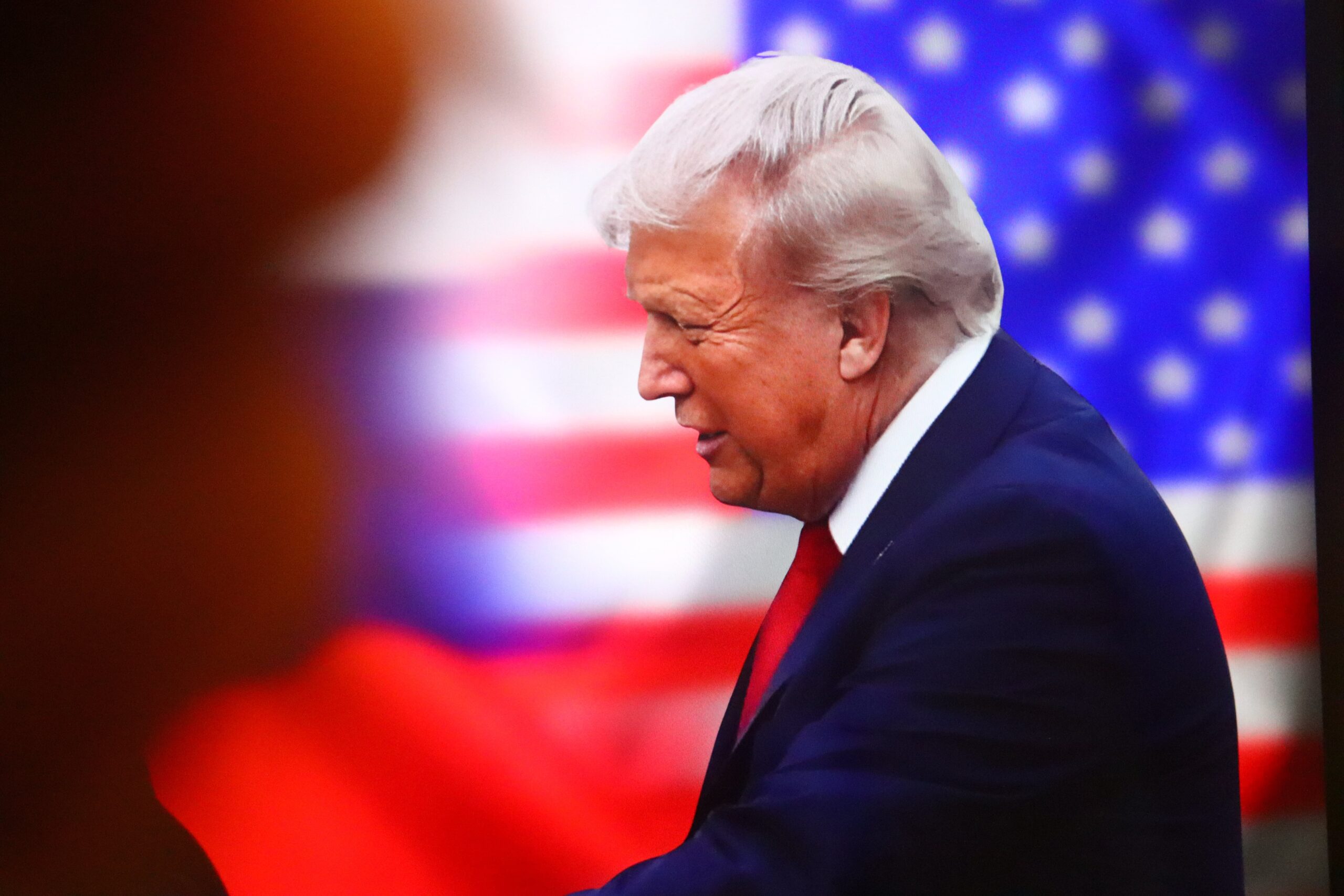
President Donald Trump has unveiled a wide-ranging package of tariffs on imported goods. From October 1, branded and patented medicines entering the United States will face a 100 percent duty unless companies operate factories on American soil.
The plan also introduces a 25 percent tariff on heavy-duty trucks and a 50 percent levy on kitchen and bathroom cabinets. Trump presented the measures on Thursday, saying they are necessary to protect US manufacturers.
On Truth Social, he said a “flood” of imports has harmed domestic producers. He argued the tariffs would support American companies and preserve jobs.
The announcement comes despite repeated warnings from US businesses that additional duties could disrupt supply chains and raise costs.
Pharmaceutical sector evaluates impact
Neil Shearing, chief economist at Capital Economics, said the drug tariffs were less sweeping than they appeared. He highlighted exemptions for generic medicines and for firms building production facilities in the US.
He added that many major pharmaceutical companies already operate American plants or plan to expand.
Ireland’s Trade Minister Simon Harris cited the August 21 US-EU agreement, which capped tariffs on European pharmaceutical exports at 15 percent.
United Nations data show Britain exported more than six billion dollars’ worth of medicines to the US last year.
A June trade deal between Washington and London also pledged “preferential treatment outcomes on pharmaceuticals.”
A UK government spokesperson described the announcement as concerning. They said Britain would continue close engagement with US officials.
UK drugmakers expand in America
GlaxoSmithKline already operates US facilities. Last week, it pledged 30 billion dollars in research and manufacturing over five years.
AstraZeneca also runs American plants. In July, it announced plans to invest 50 billion dollars in the US by 2030.
William Bain, head of trade policy at the British Chambers of Commerce, said these investments should protect UK companies from new tariffs. He highlighted large-scale advanced manufacturing projects already underway.
Several pharmaceutical firms recently withdrew planned investments from Britain, citing difficult conditions.
Jane Sydenham, investment director at Rathbones, said Trump’s trade policies were a key factor. She argued that uncertainty in US policy outweighed concerns about Britain’s slower growth.
Tariffs hit trucks and furniture
Trump confirmed a 25 percent duty on heavy-duty trucks. He said the tariff would benefit US manufacturers such as Peterbilt and Mack Trucks.
He also announced duties on kitchen and bathroom cabinets and other furniture imports. He argued that high import volumes were harming domestic producers.
From next week, upholstered furniture will face a 30 percent tariff.
Swedish retailer Ikea said the tariffs make operations more difficult and added it is monitoring the situation closely.
Tariffs remain central to Trump’s trade strategy
Tariffs continue to define Trump’s second-term economic agenda. In August, sweeping duties on imports from more than 90 countries took effect. Washington said the measures aim to strengthen US manufacturing and create jobs.
Earlier measures targeted steel, copper, aluminium, cars and vehicle components.
The US Chamber of Commerce warned against new tariffs this year. It said most truck parts come from Mexico, Canada, Germany, Finland and Japan.
Mexico and Canada supplied more than half of US imports of medium and heavy truck parts last year. The chamber said domestic production was unrealistic and would push costs higher.
Experts warn of rising consumer prices
Deborah Elms, trade analyst at the Hinrich Foundation, said the tariffs favour US producers but are “terrible” for consumers. She predicted higher prices across multiple sectors.
She explained that the new measures cover more products and impose higher rates than Trump’s earlier reciprocal tariffs, which aimed to correct trade imbalances.
Elms added that industry-specific duties could serve as a fallback plan. They could provide revenue if broader global tariffs face legal challenges.
