


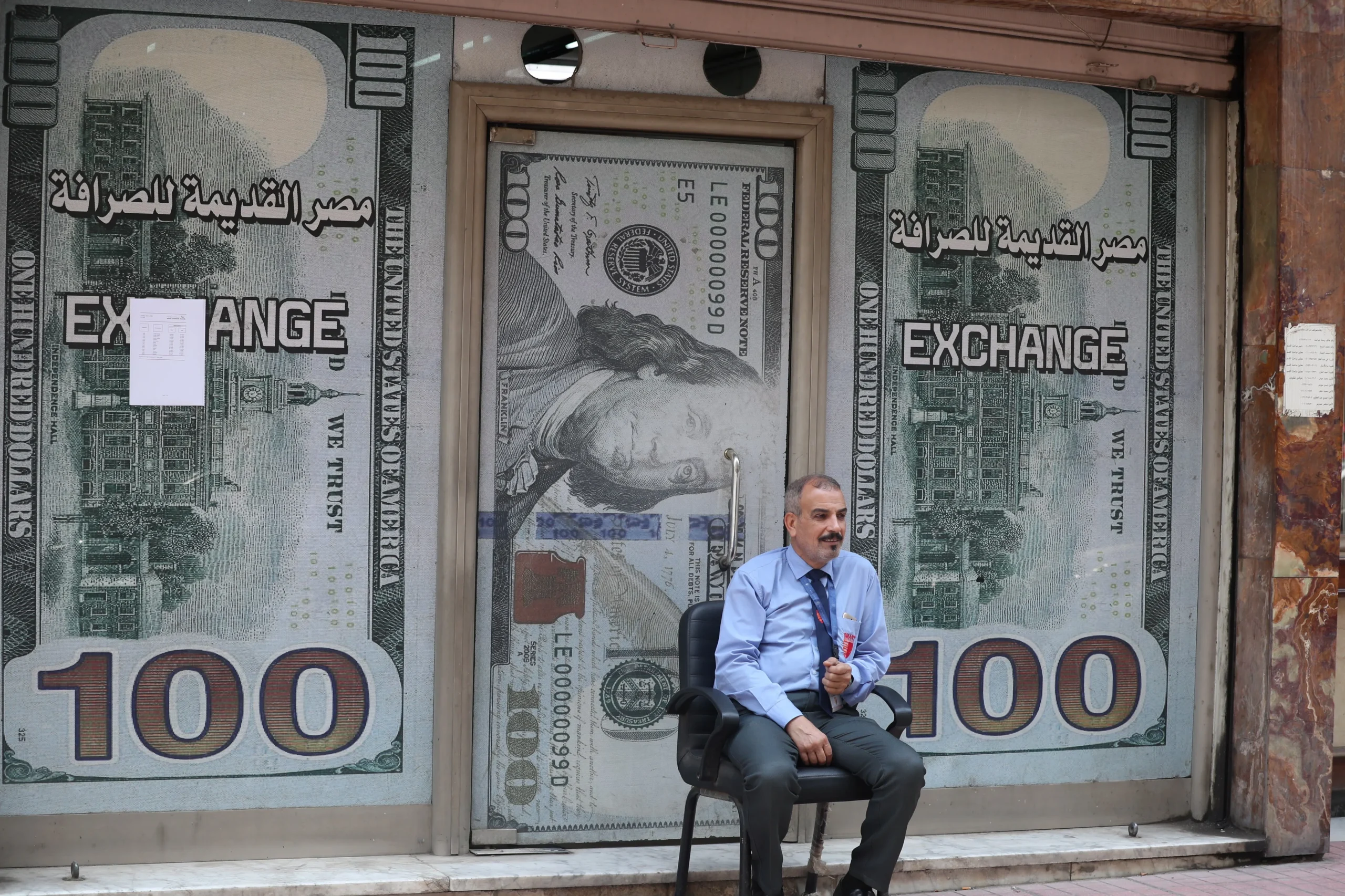
The International Monetary Fund has reached a staff-level agreement with Egypt on the final review of its loan programme, potentially allowing Cairo to receive approximately $2.3 billion in additional financing. The agreement was reported on November 19 as Egypt approaches the scheduled end of its current programme on December 15. The funding still requires approval from the IMF’s executive board, but the deal represents an important step for the government as it tries to maintain economic stability and manage its large financing needs.
If approved, the payment would include around $1.5 billion under the Extended Fund Facility and up to $800 million through the Resilience and Sustainability Facility, which supports climate-related economic measures. The payments would bring total disbursements under the two arrangements to approximately $9.6 billion. The current programme was originally approved in December 2022 and expanded to $8 billion in March 2024 after Egypt introduced major economic changes, including a sharp currency adjustment and measures to attract foreign investment.
The IMF said Egypt’s economy grew by 5.1% during the 2025–2026 financial year, which ended on June 30. The recovery was supported by stronger activity in manufacturing, tourism, communications and petroleum, alongside improved activity around the Suez Canal. Annual urban inflation also slowed to 12.7% in October from 13.9% in September. These figures suggest that some parts of the economy have improved, although households continue to face high prices and pressure on their purchasing power.
Despite the progress, the IMF warned that Egypt remains vulnerable because of its high debt and reliance on short-term borrowing. The fund urged the government to reduce its dependence on short-term financing and maintain exchange-rate flexibility as the first line of defence against external economic shocks. Egypt’s central bank raised interest rates by 100 basis points in October, taking its overnight deposit rate to 20%. The increase was the first since March 2024 and reflected concerns about inflation and higher international energy prices.
President Abdel Fattah el-Sisi has indicated that Egypt does not intend to request another IMF programme and wants to prepare a national economic plan for the period after the current arrangement ends. The government is expected to announce a National Transformation Programme covering 2027 to 2030 in December. Its success will depend on whether Egypt can maintain growth, reduce debt, attract investment and protect vulnerable households while continuing economic reforms. The latest agreement provides additional financial support, but the country’s longer-term challenges remain significant.
