


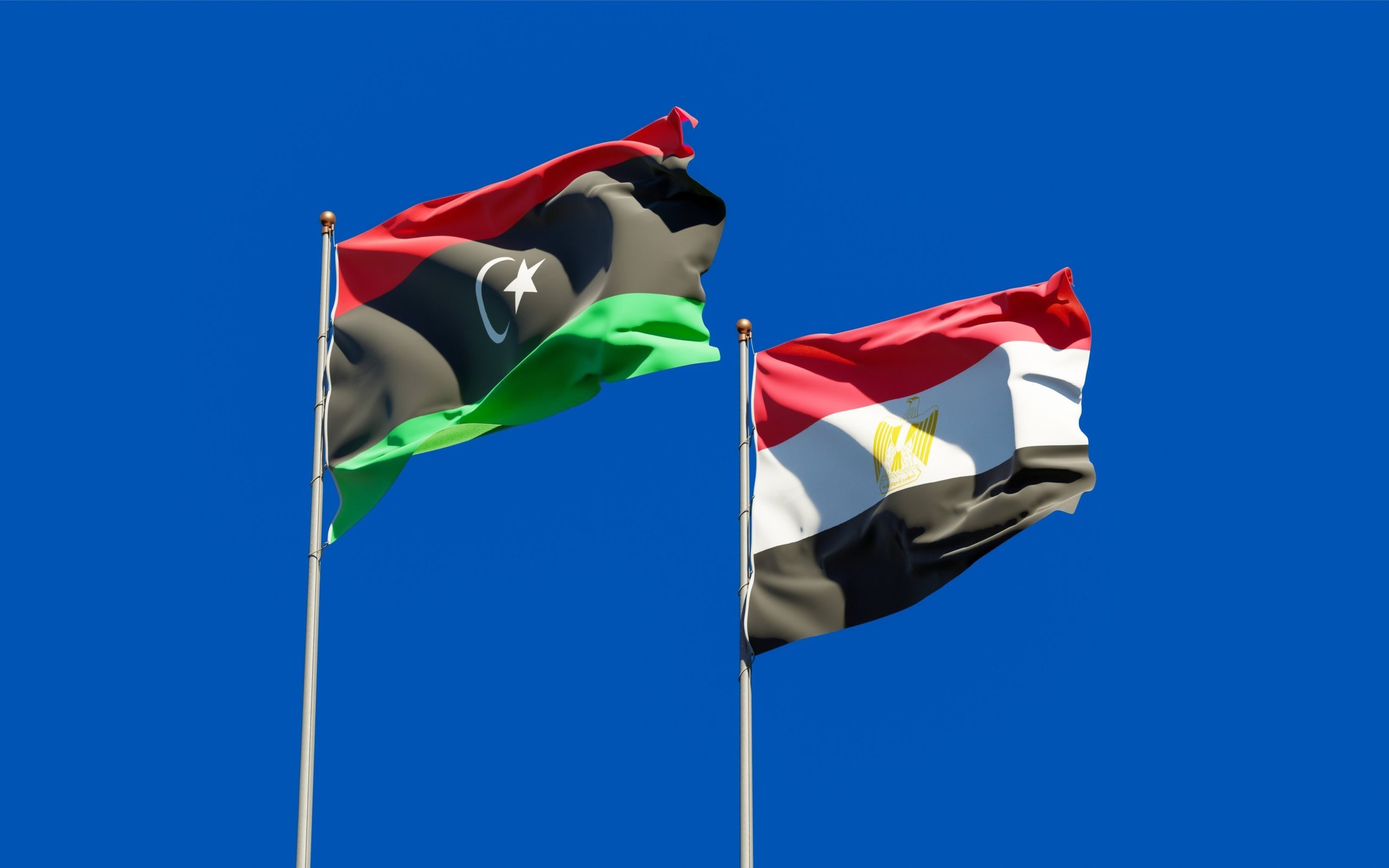
Egypt has rejected a move by Libya’s House of Representatives to approve a 2019 maritime agreement with Türkiye, adding a new issue to the complex relations between countries in the eastern Mediterranean. The dispute matters because sea borders can affect access to offshore energy resources, shipping routes, and future cooperation between neighbouring states. Cairo’s response shows that it remains concerned about agreements that could change the balance of interests in the region.
Maritime agreements set out how countries define or manage areas of sea under their control. These arrangements can affect fishing rights, offshore exploration, and the legal basis for energy projects. When two governments disagree over a sea boundary or the way an agreement was reached, the issue can become a wider diplomatic problem. Other countries may also be drawn into the debate if their interests overlap with the area in question.
Türkiye has sought to strengthen its position in the eastern Mediterranean through agreements with regional partners. Libya’s political divisions have made such deals more sensitive, as different authorities have held competing views about the country’s international commitments. Any decision by a Libyan body can therefore raise questions about its legal standing, its domestic support, and the effect on relations with other states.
Egypt has important interests in the eastern Mediterranean. The country has invested in energy development and works with regional partners on gas production, transport, and export. Cairo also seeks to protect its diplomatic influence and maintain stable relations with states whose decisions affect the region. A disagreement over maritime boundaries can complicate these goals if it leads to further disputes or delays cooperation.
The issue is part of a wider contest over energy and political influence. Offshore gas discoveries have made the eastern Mediterranean more important to several countries. Governments hope that energy projects will bring investment, jobs, and export income. But the benefits can be harder to achieve when states disagree over sea rights or challenge the legal basis of a proposed project.
The dispute also highlights Libya’s continuing political challenges. A stable national position on foreign agreements can be difficult to maintain when political institutions remain divided. Decisions taken by one body may face objections from other groups, creating uncertainty for partners and investors. A clear and broadly accepted legal process is important if Libya is to build lasting cooperation with neighbouring states.
For Egypt, the immediate question is how to respond without allowing the disagreement to harm other areas of regional cooperation. Diplomatic talks may help clarify the legal and political issues, although progress will depend on the positions taken by the governments involved. Any agreement would need to address the concerns of the parties rather than simply move the dispute to another stage.
The rejection underlines the importance of maritime law and clear communication in a region where energy and security interests often overlap. Egypt is likely to continue defending its position, while Libya and Türkiye will face questions about the status and effect of the agreement. The issue may not be resolved quickly, but a diplomatic path would offer a better chance of avoiding a wider dispute and preserving room for future cooperation.
