


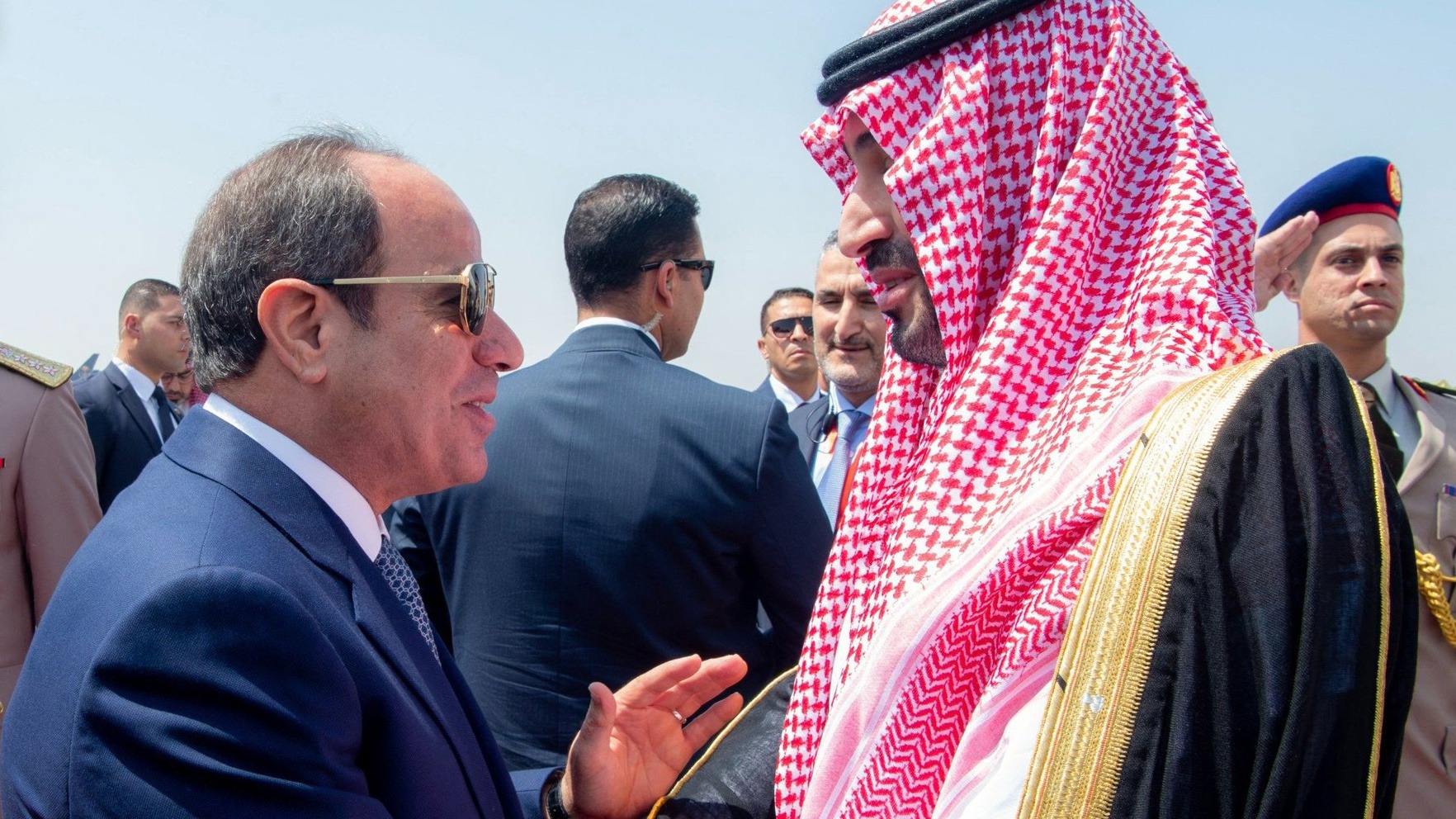
Egypt is facing renewed pressure to weigh its role in regional security as tensions involving Saudi Arabia, Iran, and Yemen’s Houthi movement continue. The dispute has raised concern about a wider conflict and the risks it could pose to trade and stability across the Middle East. Cairo has long sought to protect its national interests while avoiding steps that could draw the country into a costly military confrontation.
Iran has said that Saudi Arabia and the Houthis have not yet answered its offer to mediate peace talks. The proposal comes amid rising concern over attacks linked to the conflict and fears that outside powers could become more deeply involved. Iranian Foreign Minister Abbas Araqchi has warned against further escalation and raised questions about reports that Egypt might take part in military action alongside Saudi Arabia.
Egypt’s position matters because of its place in the region and its links to major shipping routes. The Suez Canal is a key passage for goods moving between Europe and Asia. Any wider conflict that threatens shipping could raise transport costs, delay deliveries, and affect trade. A prolonged crisis could also put pressure on energy markets and increase the cost of goods for households and businesses.
Cairo has expressed support for Saudi Arabia’s security needs, but it has also sought to avoid direct involvement in the Yemen conflict. Egypt’s leaders must balance ties with Gulf partners against the risks of a wider war. Military action could bring diplomatic costs, place pressure on public finances, and expose Egyptian forces to new dangers. A choice to stay out of the conflict, however, could also affect relations with regional allies.
The Egyptian parliament had been expected to consider a vote on possible military action against the Houthis, but the vote was postponed until October 26. That delay leaves questions over what steps Egypt may take next. It also gives officials more time to assess the military and diplomatic risks. No final decision should be assumed until the authorities make a clear announcement.
The conflict involves more than a single dispute between regional powers. It reflects wider competition over influence, maritime security, and the future of Yemen. Attacks on ships or nearby states can affect countries far beyond the immediate conflict zone. They can also make it harder for aid to reach people who need it and create new risks for civilians.
Diplomacy remains one possible way to reduce these dangers. Talks could help limit attacks, lower the risk of direct clashes, and open a path toward a broader agreement. But mediation needs support from the parties involved. If key actors reject dialogue or continue military action, outside efforts may struggle to bring lasting calm.
For Egypt, the days ahead will require careful choices. The government must consider its security commitments, the safety of shipping, and the possible cost of a new conflict. It must also judge how much diplomatic pressure it can use to encourage restraint. The postponed parliamentary vote is one sign that the issue remains open.
The wider region has little to gain from a new front in the conflict. A military response may appeal to those who want to deter attacks, but it could also trigger further violence. For now, Egypt’s next move will be watched closely by regional partners and traders. A clear path toward talks would offer the best chance of limiting the danger to the region and its vital trade routes.
