


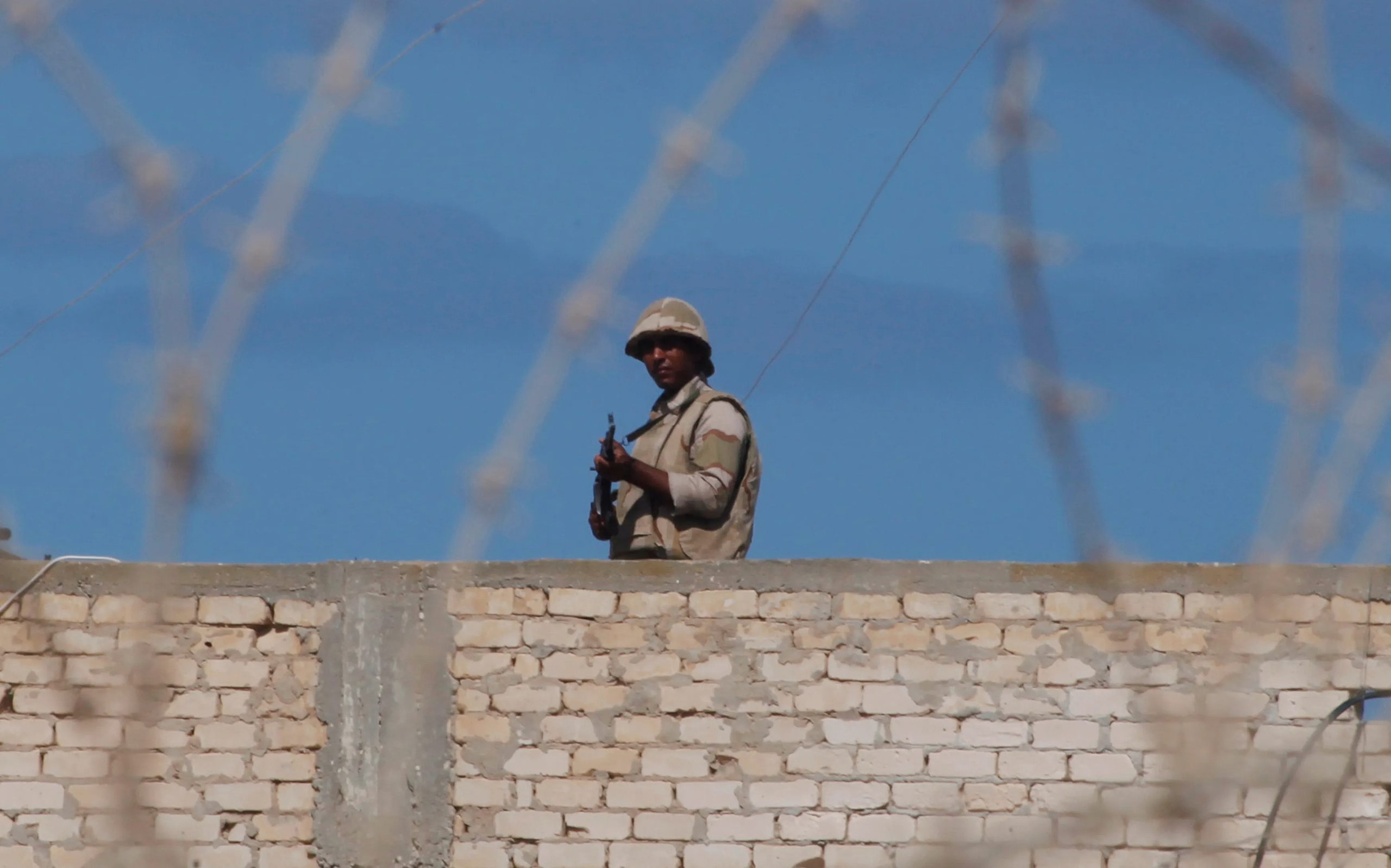
Egypt’s position in the Middle East is once again drawing attention as regional threats raise concern about its borders and security. The Sinai Peninsula holds major importance for the country because of its location, its links to nearby states, and its role in Egypt’s wider security plans. Recent political remarks about the area have added to the pressure on Cairo to defend its territory while avoiding a wider regional crisis.
Egyptian President Abdel Fattah el-Sissi has said that Egypt has no territorial ambitions. His remarks came after a threat by an Israeli minister to seize the Sinai Peninsula if Egypt were to attack. Such statements can increase tension even when they do not lead to immediate military action. They can also raise concern among people who live near sensitive borders and among countries that want to prevent a wider conflict.
Sinai has long been central to Egypt’s national security. The peninsula links Africa and Asia and lies near Israel and the Gaza Strip. It also sits close to important sea routes. Any threat to the area can therefore affect more than Egypt alone. It may influence regional diplomacy, security planning, and the movement of people and goods.
Cairo has strong reasons to avoid a direct clash with another state. War can bring heavy costs, including loss of life, damage to roads and public services, and pressure on public spending. It can also harm tourism and investment, two areas that many countries rely on for jobs and income. Egypt must therefore consider both the military risks and the wider effects of any crisis.
At the same time, a government must show that it can protect its borders. Clear public statements can help set limits and tell other states where a country stands. But words alone may not remove the risk of escalation. Diplomatic contact, clear rules, and steady communication can help prevent a threat from turning into a direct clash.
The wider Middle East remains marked by competing security needs and deep political mistrust. Disputes over territory can quickly become tied to other conflicts, including the war in Gaza and tensions involving neighbouring states. This makes careful diplomacy more important. A single threat or military move may affect relations across the region, even if the original dispute involves only two countries.
Egypt also has to consider the needs of people living in the region. Border tensions can disrupt trade, travel, and access to services. Families may face uncertainty, while firms may delay investment until the situation becomes clearer. A stable border helps support daily life and allows public agencies to focus on health, education, jobs, and other needs.
For now, Egypt’s public position stresses that the country does not seek to take another state’s land. The next steps will depend on how regional leaders respond to one another and whether they choose dialogue over threats. Egypt is likely to continue seeking security while trying to prevent the crisis from growing.
A lasting solution will require more than statements from political leaders. It will need respect for borders, steady communication, and a willingness to reduce the risks that drive regional tension. Egypt’s challenge is to defend its national interests without adding to the danger of a wider war. That balance will remain important as the region faces new political and security tests.
