


Egypt and South Korea have upgraded their relationship to a strategic partnership, opening a new stage of cooperation between the two countries. The announcement was made on Thursday, October 8, during Egyptian President Abdel Fattah El Sisi’s visit to Seoul. The two governments also signed several agreements covering areas including shipbuilding, clean energy, power infrastructure and technology, as both sides look to expand economic and strategic ties.
The new partnership reflects growing cooperation between Egypt and South Korea in recent years. The two countries have developed strong economic links, particularly in infrastructure and industrial projects. South Korean companies have participated in major projects in Egypt, while Cairo has sought greater foreign investment and technology transfers to support economic development.
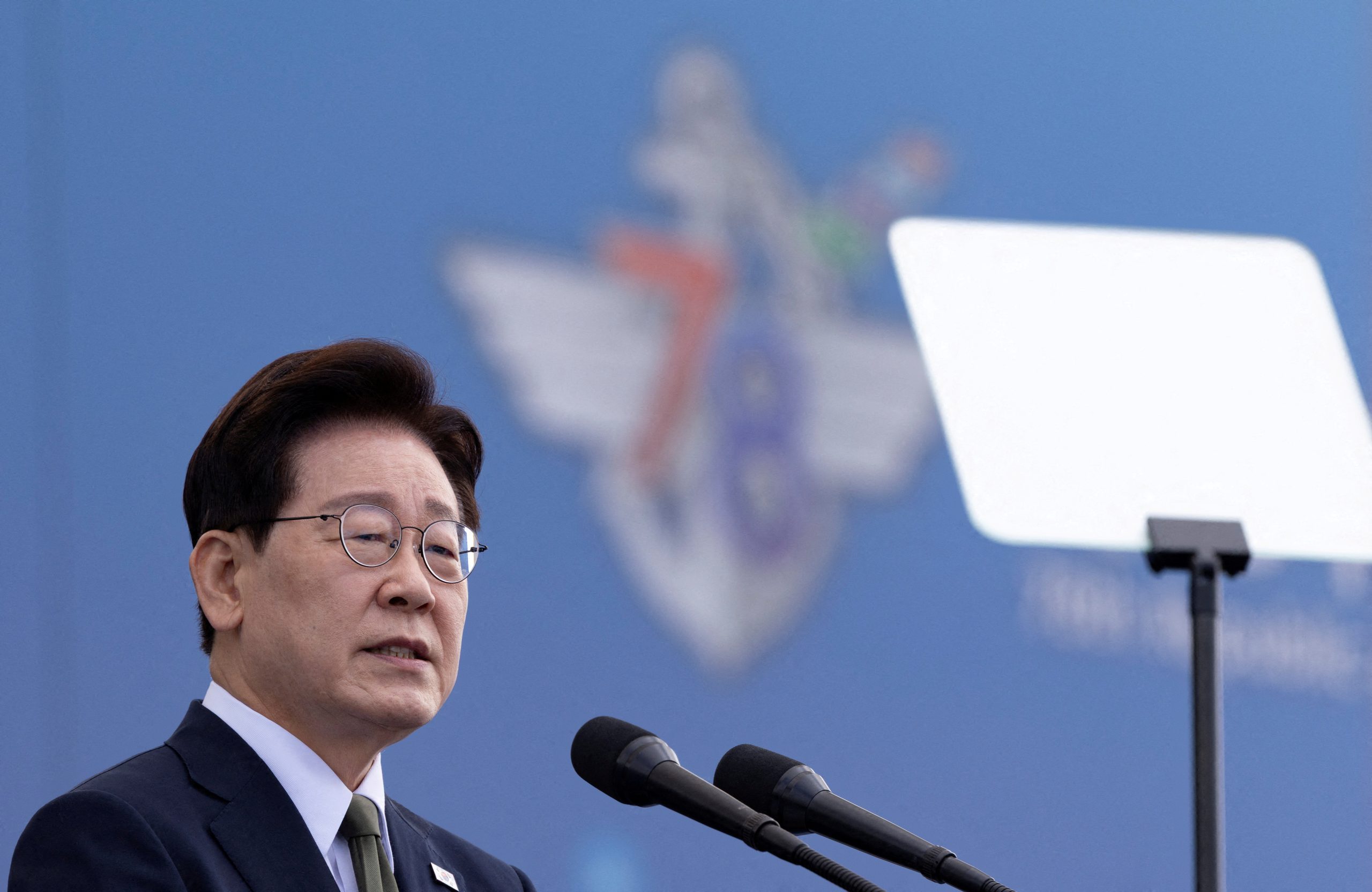
During the summit, President Sisi and South Korean President Lee Jae Myung discussed ways to increase trade and investment. They also examined cooperation in energy, manufacturing and technology. South Korea has strong industrial and technological capabilities, while Egypt offers access to markets in Africa, the Middle East and Europe. Both governments see opportunities to combine those advantages through new projects and business partnerships.
Defence cooperation was another important part of the relationship. The two countries pointed to their cooperation on the production of K9 self propelled howitzers as an example of successful defence industry work. South Korea has become an important supplier of military technology to Egypt, while Cairo has sought to expand local production and develop domestic defence capabilities. Officials indicated that defence cooperation could become a larger part of the new strategic partnership.
Clean energy was also discussed during the summit. Egypt has been seeking investment in renewable energy and power infrastructure as it tries to meet rising energy demand and strengthen its electricity system. South Korean companies have experience in power generation, engineering and advanced technology. Cooperation could therefore include investment, equipment and technical expertise in future energy projects.
The leaders also discussed the possibility of launching negotiations for a Comprehensive Economic Partnership Agreement. Such an agreement could create a wider framework for trade and investment and make it easier for companies from both countries to enter each other’s markets. Negotiations would require detailed work on tariffs, services, investment rules and other economic issues before a final agreement could be reached.
The partnership also has a wider regional dimension. Egypt is one of the largest economies and most strategically important countries in the Middle East and Africa. South Korea is a major industrial and technology power in Asia. Stronger relations between them could help connect businesses and supply chains across different regions. Egypt’s location near the Suez Canal also gives it importance for international shipping and trade.
President Lee also discussed the security situation on the Korean Peninsula with Sisi. South Korea continues to face security concerns involving North Korea, while Egypt has its own regional security challenges in the Middle East. The two countries have maintained diplomatic relations for decades, but the new partnership gives their cooperation a broader framework.
The agreement marks an important step in the relationship, but its success will depend on what follows the summit. New projects, trade negotiations and investment decisions will determine whether the strategic partnership produces measurable results. For Egypt, closer ties with South Korea could bring investment and technology. For Seoul, deeper cooperation with Cairo could strengthen its position in African and Middle Eastern markets.
