


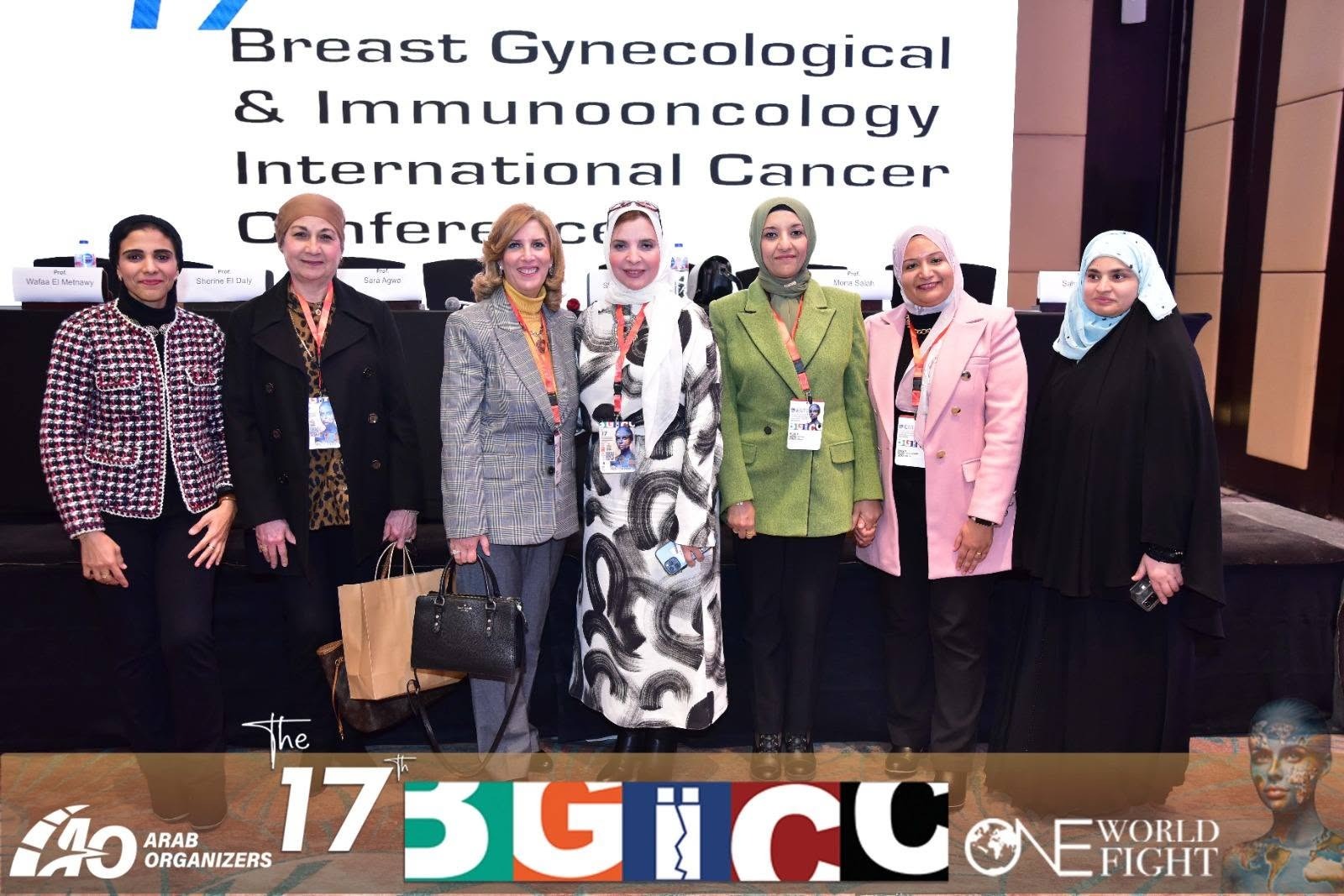
A major breast cancer conference has entered its main scientific programme in Cairo, bringing medical specialists from Egypt and other African countries together to discuss new approaches to breast cancer treatment. The Regional Africa Best of St. Gallen Breast Cancer Conference is being held at the Hilton Cairo Grand Nile from September 30 to October 2. The event combines specialist training, scientific presentations and discussions about how modern breast cancer care can become more effective and accessible across the region.
The conference began with pre-congress workshops on September 30 before moving into its main programme on October 1. Topics include breast cancer diagnosis, treatment planning, immunotherapy, triple-negative breast cancer, pathology, radiotherapy and surgery. Specialists are also discussing health economics and access to treatment, issues that can strongly affect patients in countries where advanced medical care is not equally available.
Breast cancer remains an important health issue across Africa, where differences in early detection and access to specialist treatment can influence patient outcomes. Conferences such as the Cairo meeting allow doctors and researchers to compare experiences and discuss treatment systems that may work in different settings. The focus is not only on new medicines but also on diagnosis, pathology, surgery and the organisation of cancer services.
One major area of discussion is the treatment of difficult forms of breast cancer. Triple-negative breast cancer, for example, does not respond to hormone-based treatments used for some other breast cancer types. Doctors therefore need to consider other approaches, including chemotherapy, surgery, radiotherapy and newer targeted or immune-based treatments. Sharing information about these options can help specialists understand how treatment strategies are changing.
The conference also gives attention to pathology and radiotherapy. Accurate pathology is important because doctors need to understand the type and features of a tumour before selecting treatment. Radiotherapy is another major part of breast cancer care, especially after surgery in many patients. However, access to modern radiotherapy equipment and trained specialists varies between countries. Discussions at the conference therefore have both medical and practical importance.
Health economics is another key part of the programme. Modern cancer treatment can be expensive, particularly when it involves advanced medicines or complex technology. Medical experts therefore need to consider not only whether a treatment works but also how patients can gain access to it. The conference’s African focus allows specialists to discuss these challenges from a regional perspective.
The meeting is also designed to encourage professional networking. Doctors, researchers and other healthcare professionals can exchange experiences and develop relationships that may continue after the conference. Such links can support research projects, training programmes and cooperation between medical institutions. For younger specialists, international conferences can also provide opportunities to learn directly from experienced cancer teams.
The Cairo conference continues through October 2, with further scientific sessions and discussions planned. Its programme reflects the changing nature of breast cancer care, where early diagnosis, personalised treatment, surgery, radiotherapy and newer medicines all have important roles. By bringing specialists together in Cairo, the event provides a forum for discussing both medical progress and the practical challenges of delivering better cancer care across Africa.
