


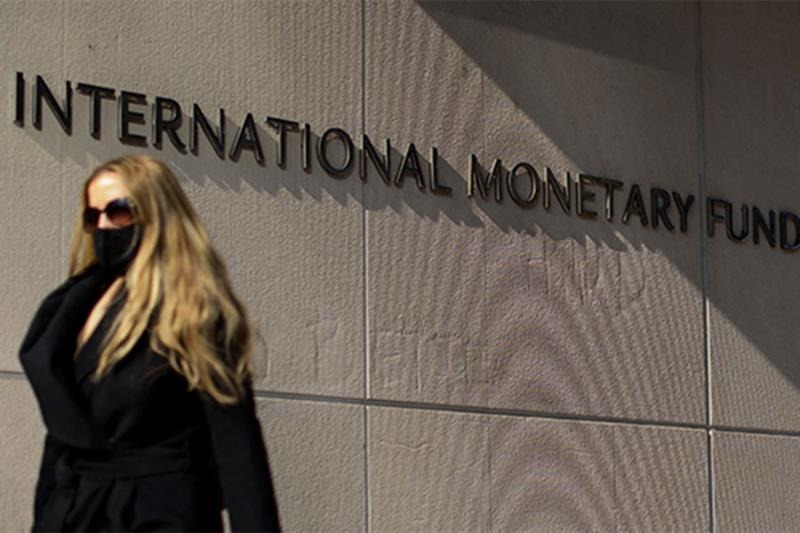
Egypt has avoided a wider economic downturn despite major regional shocks, but high public debt and large financing needs continue to create pressure, according to an International Monetary Fund assessment reported on September 22.
The assessment comes as Egypt continues efforts to strengthen its economy and attract investment. The country has faced pressure from regional conflicts, higher energy costs and changes in trade and tourism.
The IMF said Egypt had weathered one of the region’s largest recent economic shocks without falling into a broader downturn. However, it also pointed to continued risks linked to government debt and the large role of the state in economic activity.
Egypt’s economy has undergone major changes in recent years. The government has worked with international financial institutions while also seeking more foreign investment.
The country has faced repeated pressure on its foreign currency position. Higher import costs and external financing needs have made economic stability an important issue for policymakers.
Tourism is another major part of the economy. Regional instability can affect visitor numbers because international travelers often react to security concerns.
The Suez Canal is also important because Egypt earns foreign currency from ships using the waterway. Recent changes in global shipping patterns have affected canal traffic and revenue.
Despite these pressures, Egypt has continued to attract investment into several sectors. Officials have promoted private-sector projects, industrial development and infrastructure investment.
The government has also tried to increase the role of private companies in the economy. Officials say stronger private investment can help create jobs and support long-term growth.
The IMF has emphasized the need for reforms that improve competition and reduce obstacles facing private businesses. Such reforms can help companies invest and expand.
Debt remains one of the main challenges. When governments carry high debt, a large part of public resources can be needed for interest payments and refinancing.
This can reduce the amount of money available for other public priorities. It can also make the economy more sensitive to changes in interest rates and currency values.
Egypt has therefore continued discussions with international lenders and investors about financing and economic reforms.
The government has also focused on improving tax collection and digital systems. Finance Minister Ahmed Kouchouk said recent fiscal gains were supported by stronger private-sector cooperation, easier tax procedures and digitalization.
These measures are intended to increase state revenues without relying only on higher tax rates.
The wider regional situation remains an important risk. Conflicts in the Middle East can affect energy prices, tourism, shipping and investor confidence.
Egypt’s location makes it particularly sensitive to developments around the Red Sea and Suez Canal. Any long disruption to shipping routes could affect canal income.
At the same time, Egypt remains one of the largest economies in the Arab world and has a large domestic market. That gives the country a broad economic base despite its financial pressures.
The IMF assessment highlights the difference between short-term stability and longer-term challenges. Avoiding a wider downturn is important, but high debt and financing needs still require careful economic management.
Egypt’s future growth will depend partly on investment, exports, tourism and private-sector activity. Continued reforms will also affect how quickly the economy can create new jobs and attract foreign capital.
For policymakers, the task is to maintain stability while reducing the financial risks that remain.
The September 22 assessment therefore presents a mixed picture. Egypt has managed to absorb major regional shocks, but debt, financing needs and the state’s large economic role remain important issues for the country’s future growth.
